
Buying Property in Nicaragua: 5 Grounded Lessons from a San Juan del Sur Realtor
Buying property in Nicaragua can feel simple on the surface, then surprisingly complex once you’re in the details.
In a recent NicaSeeker interview in San Juan del Sur, I sat down with Natalie Sullivan of Discover Real Estate to talk about what really helps buyers feel secure. Discover Real Estate is one of NicaSeeker’s ongoing collaborators, featured on our platform at nicaseeker.com/discover-real-estate.
The conversation covered long-term expat realities, market cycles, and the kind of behind-the-scenes diligence most people only learn after an expensive mistake. You can find the full interview on YouTube here.
This post turns that interview into a user-friendly, practical guide. It’s not legal advice. It’s a human-first map for staying clear, respectful, and well-informed while you explore Nicaragua real estate.
Key Takeaways
- Clarify your reason for buying — lifestyle, income, retirement, or a mix — before anything else, since it shapes every other decision in the process.
- Expect a slower timeline than you may be used to, and build buffer time into your plan rather than tying it to hard deadlines.
- A trustworthy agent would rather walk away from a commission than push a deal that doesn’t genuinely fit the buyer.
- Renting first is often a realistic bridge before buying, giving time to learn a specific area before comparing across the wider market.
Last updated: July 2026
Why this matters
Many buyers arrive with excitement and a timeline. Then the pace, paperwork, and process feel different from what they know. That difference is not “bad.” It’s simply local reality. When you plan for it, you make better decisions and keep relationships strong.
Lesson 1: Start with your “why,” not the listing
Natalie’s story began the same way many moves begin: a “vacation rental” search that became a long-term shift. She came down, looked at properties, bought a place, and later chose to build her new life in Nicaragua.
That matters because your “why” shapes everything:
- Are you buying for lifestyle, income, retirement, or a mix?
- Do you need walkability, a town center, or privacy?
- Are you looking for community, ocean views, or easy services?
When you lead with clarity, you avoid impulse buys. You also communicate better with your realtor or local team.
Lesson 2: Assume the timeline will be different
One of the most common friction points for newcomers is speed. In the interview, Natalie shared an early moment where she was told, in essence, that projects don’t always move quickly. That isn’t a warning sign by itself. It’s a cultural operating system.
So what do you do?
- Build buffer time into your plan.
- Avoid hard deadlines tied to flights, school starts, or major life events.
- Ask your agent what the slowest step tends to be, then plan around it.
This is also where “expat life Nicaragua” becomes very real. People who thrive here often embrace flexibility and steady follow-through.
Lesson 3: Make “property due diligence” the headline, not the fine print
Natalie’s strongest theme was simple: protect the buyer. She described learning hard lessons during earlier market turmoil and then building a practice around better safeguards for clients.
When you’re buying property in Nicaragua, your due diligence checklist should feel non-negotiable:
A) Use reputable legal support
Ask your agent to recommend attorneys with a clear track record for completing transactions and following through on registration steps. If you already have an attorney, ensure they routinely handle property transactions in your region.
B) Confirm registration and ownership details
Don’t assume “it’s fine.” Request clarity on what is registered, what is pending, and what documents will be delivered after closing. Keep copies organized. Move slowly enough to verify.
C) Avoid pressure to “just decide”
A trustworthy agent would rather you walk away than buy something that doesn’t fit. In the interview, Natalie emphasized she prefers to lose a commission rather than push an unsuitable deal. That mindset is a green flag.
If you want a broader, general overview of land and administration concepts (not country-specific), the World Bank has accessible resources on land topics here: https://www.worldbank.org/en/topic/land.
Lesson 4: Understand the market story, not just today’s price
In the interview, Natalie described how prices rose in some periods, then stabilized through global and local disruptions. The larger takeaway is not a prediction. It’s a planning posture.
Before you buy, ask questions like:
- What has historically moved demand in this area?
- Which property types sell fastest here?
- What do locals and long-time residents consider “fair value”?
That’s how you stay calm if the market changes. It also helps you avoid confusing “a good story” with a good investment.
Lesson 5: Choose a lifestyle location with your real routine in mind
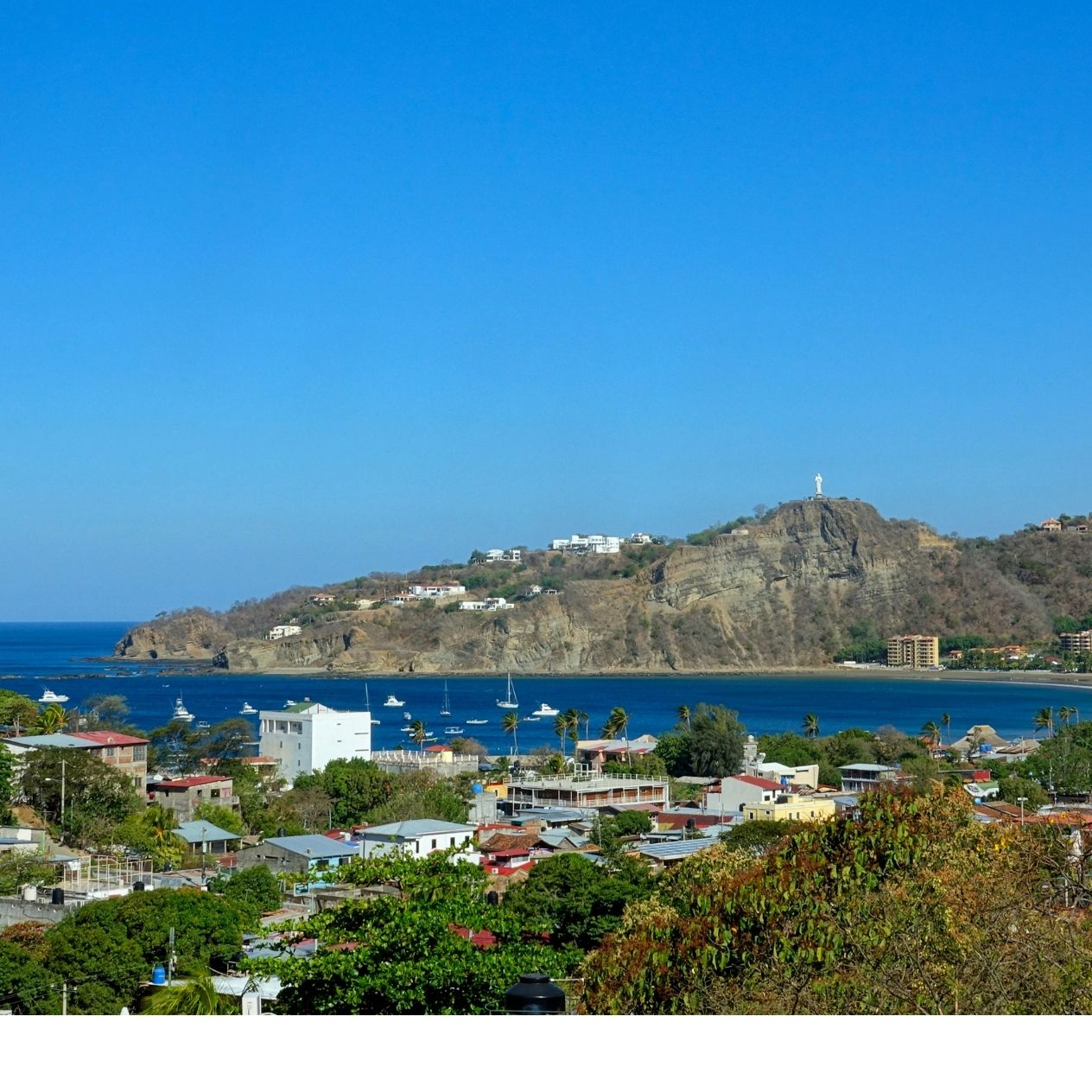
Natalie described a daily rhythm that many people dream about: walkable living, a town center, services nearby, and an ocean view that becomes part of normal life.
When you’re buying property in Nicaragua, the “routine test” is powerful. Ask yourself:
- Where will you shop weekly?
- How far is healthcare you trust?
- Do you need a car every day, or only sometimes?
- Do you want quiet, or do you want energy?
San Juan del Sur works for many because it offers a central town feel. Other areas may be more spread out. Neither is better. It depends on you.
A note on safety and respectful communication
In the interview, Natalie shared personal experiences of feeling safe and supported by everyday people in Nicaragua. She also noted that, like anywhere, awareness matters. The best approach is balanced and respectful: stay observant, follow local norms, and avoid exaggerations in either direction.
This is also why we keep NicaSeeker content steady, factual, and non-inflammatory. We focus on people, businesses, culture, and daily life without creating unnecessary heat.
Where Discover Real Estate fits in
Natalie explained that Discover Real Estate serves a wide range of budgets, from lots to higher-end homes, and also supports rentals through a property management partner. If you’re exploring options, ask any agent you speak to about:
- Inventory ranges in your preferred area
- Whether rentals are a realistic bridge before buying
- What “typical” closing steps look like locally
For a broader look at renting versus buying as a first step, see our Nicaragua Property Guide.
Practical next steps for buyers
Here’s a calm, buyer-friendly sequence you can follow:
- Clarify your goal: lifestyle, income, retirement, or a mix.
- Pick one area first: learn it deeply before comparing everything.
- Interview your team: agent + attorney, and ask about process.
- Run your checklist: documents, registration, timelines, contingencies.
- Sleep on decisions: good deals survive a night of reflection.
Closing thought
Buying property in Nicaragua isn’t just a transaction. It’s a relationship with a place, a pace, and a community. When you prioritize trust, paperwork clarity, and realistic timelines, you buy with confidence and peace.
Frequently Asked Questions
What should I ask myself before buying property in Nicaragua?
Start with your reason for buying rather than the listing itself — are you buying for lifestyle, income, retirement, or a mix? Clarifying your why first shapes everything else, from which area fits best to how you communicate with your realtor, and helps you avoid impulse decisions driven by excitement alone.
How fast does the property buying process move in Nicaragua?
Expect it to move slower than you might be used to elsewhere, and treat that as a normal operating reality rather than a warning sign. Building buffer time into your plan, avoiding hard deadlines tied to flights or school starts, and asking your agent which step tends to be slowest all help.
What due diligence should I do before buying property in Nicaragua?
Use reputable legal support with a proven track record completing transactions in your region, confirm exactly what’s registered versus pending before closing, and be wary of any agent pressuring you to decide quickly. A trustworthy agent would rather lose a commission than push a deal that doesn’t genuinely fit you.
Is San Juan del Sur a good location for buying property?
San Juan del Sur works well for buyers who want a walkable town-center feel with services nearby, but it’s not automatically the right fit for everyone. Consider your real daily routine: how far you’re willing to travel for healthcare and shopping, and whether you want quiet or more energy day to day.
Should I rent before buying property in Nicaragua?
Renting first is often a realistic bridge before committing to a purchase, and many local agents can point you toward property management partners who support renters as well as buyers. It gives you time to learn a specific area deeply before comparing options across the wider market.
Written by Sharon Henderson, founder of NicaSeeker, based in Nicaragua.
If you’re exploring Nicaragua step by step, keep following NicaSeeker for captivating local stories, practical interviews, and grounded guidance you can actually use.