From Flowers to Full Sails: Nick Perez and Santana Sail Nicaragua
Santana Sail Nicaragua started with a lightbulb moment on the water. During a recent NicaSeeker conversation, Nick Perez shared how a simple tradition, renting a catamaran every visit, quietly turned into a whole new life chapter in Nicaragua.
I’m Sharon from NicaSeeker, a bilingual platform highlighting businesses across Nicaragua. Nick and Santana Sail Nicaragua are one of our premium listed businesses, and this interview is part of our ongoing collaboration. It’s also a story many expats recognize: the slow pull of Nicaragua, the practical hurdles, and the surprising joy of building something real here.
How Nick Found Nicaragua (and Kept Coming Back)
Nick first arrived about 12 years ago with his wife. Like many travelers, they heard Nicaragua mentioned by other people on the road. They were in Costa Rica when someone told them, “If you like Costa Rica, you should see Nicaragua. It’s what Costa Rica used to be before tourism really hit.”
So they came. They stayed at Aqua. They loved it. Soon after, Nick flew back for just 24 hours from the U.S. East Coast to look at land. He found a property, bought it, and kept building a relationship with the country through repeat visits.
At first, the love story looks like scenery. It usually does. The light, the heat, the green hills, the ocean. However, over time, Nick says something changes. The people become the reason you return. And if you stay long enough, the relationships start to feel like roots.
A 30-Year Business, and a New Idea at Sea
Before boats and bookings, Nick ran a flower shop in Washington, DC for 30 years. That is a long time to do anything, even something beautiful. Eventually, he felt ready to chase a different challenge, even though he did not yet know what it was.
Meanwhile, each Nicaragua trip came with a personal ritual. Nick would rent a catamaran and spend time on the water. He’s a certified diver, and he’s happiest in or on the ocean. After years of doing this, one captain mentioned the boat and business were for sale.
That’s when the lightbulb hit. Nick could imagine himself doing this. Not as a tourist. As his day-to-day.
He went home with the idea buzzing. He also started moving faster on selling his flower business. He tried to acquire an existing catamaran operation in Nicaragua. That did not work out. So, instead, he decided to buy his own boat, sail it over, and start from scratch.
Nick described this part as humbling. He had never owned a boat before. He did not consider himself a sailor yet. Still, he committed to the learning curve. And he built Santana Sail Nicaragua the hard way: piece by piece, process by process, in a new country.
What Santana Sail Nicaragua Offers (and Who It’s For)
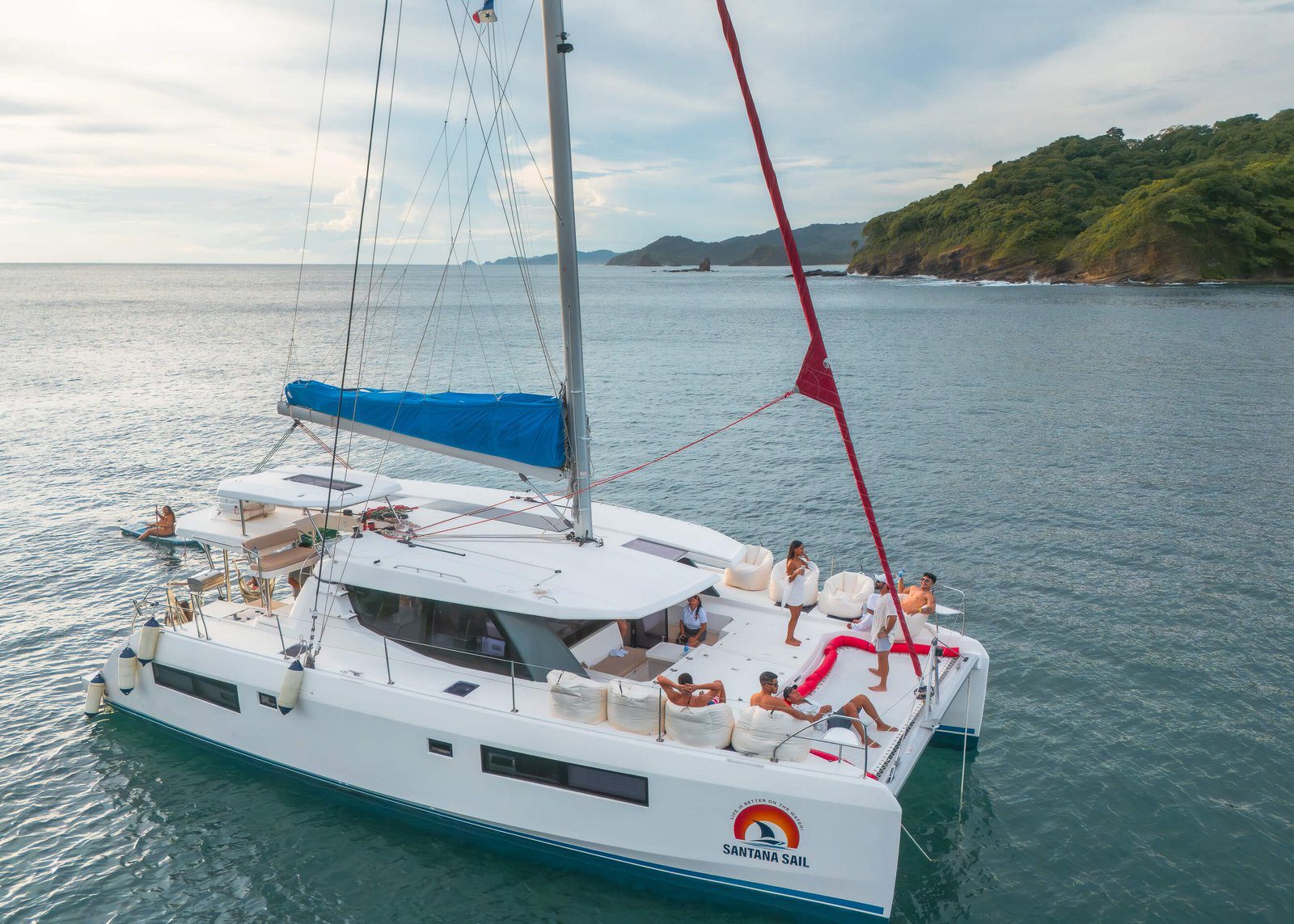
Santana Sail positions itself in the upscale market, with half-day and full-day all-inclusive sailing experiences. Nick also offers custom trips, overnight options, and event-style bookings that can be tailored to a group.
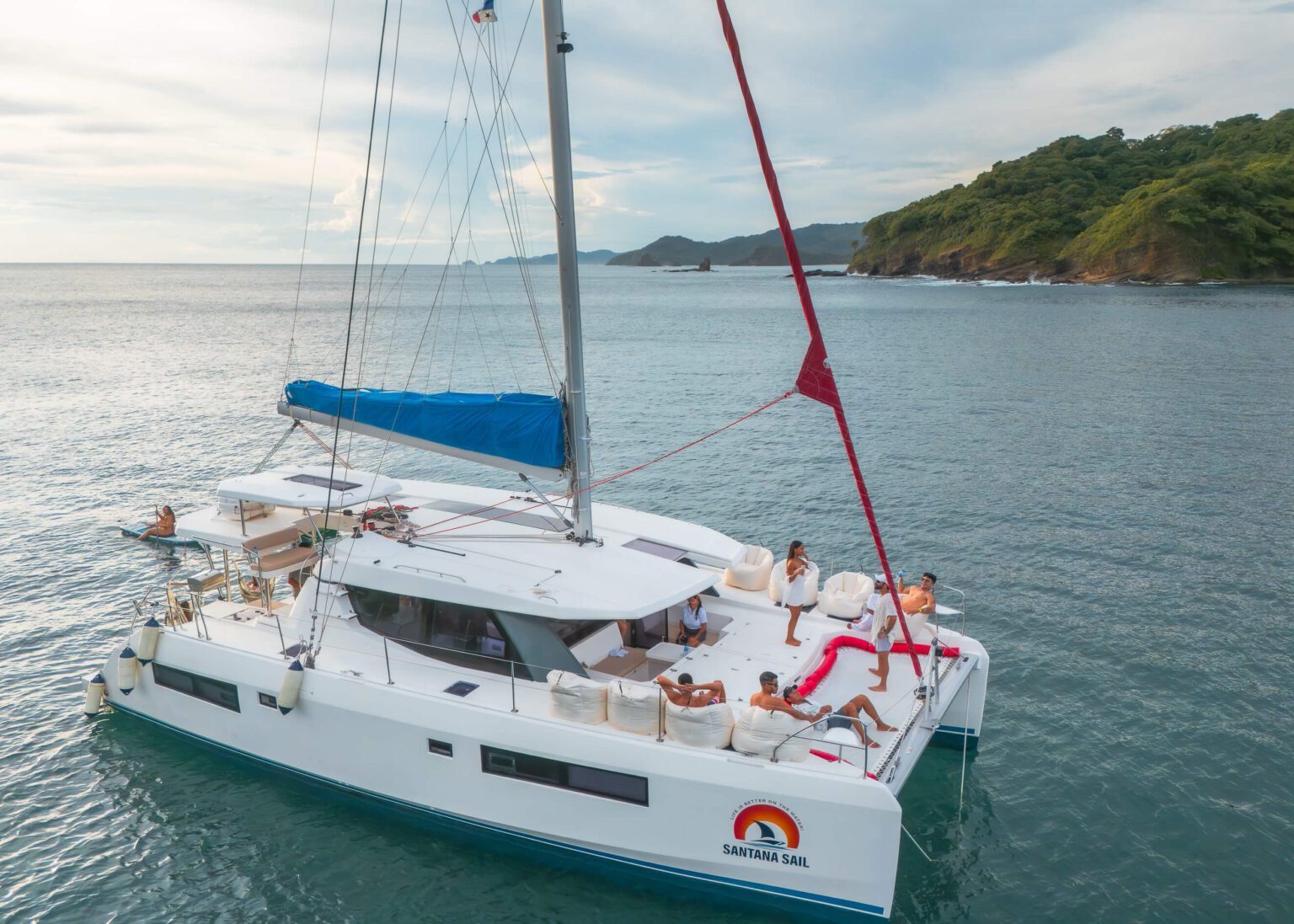
The standout detail is the boat itself. Santana Sail operates what Nick described as the newest and largest catamaran in Nicaragua: a 45-foot Leopard catamaran that can fit about 30 people comfortably. That “comfortably” matters. Space changes the whole feel of a day on the water.
In addition, Santana Sail Nicaragua can arrange add-ons that turn a sailing day into a full experience. Think private chef service, bartenders, massages, and other upgrades depending on the group and the plan. In other words, it’s not only a boat ride. It’s a curated day, designed for people who want the ocean without the hassle.
Practical note for travelers
If you are planning a boat day in Nicaragua, it helps to ask a few basics early. For example: What’s included? What’s the departure point? What should you bring? Also, what happens if weather changes? Clear expectations make a big difference, especially when you are coordinating a group.
Life Between Two Homes
Right now, Nick describes Nicaragua as a second home. He and his wife spend three to four months at a time here, sometimes more or less. They have flexibility, which helps. His wife works remotely, so they can move with seasons and business needs.
Because Santana Sail is new, Nick’s schedule is still evolving. He shared that Santana Sail Nicaragua was established in October of last year, and operations really started in November. That means the business is still in its early months, which is when owners wear every hat.
Nick spends time on compliance and structure. He is learning the corporate system in Nicaragua, setting up accounting methods, and keeping everything aligned with local requirements. He also spends time managing personnel and adapting to a different business culture than North America.
Even with Spanish fluency and decades of working with Latino employees in the U.S., he said the contrast can still be striking. Culture is not only language. It’s pacing, expectations, and how people solve problems day to day.
At the same time, Nick stays close to the bookings. He takes orders, builds relationships with hotels and restaurants, and connects with other business owners. He wants to understand every part of the Santana Sail Nicaragua experience, from the first inquiry to the final goodbye at the dock.
The Biggest Adjustment (Paper, Process, and Patience)
When I asked about adjustments, Nick did not hesitate. The tax system and legal processes have been the biggest challenge. He described it as “everything is on paper,” and it can feel like stepping back in time.
If you are an expat building something in Nicaragua, this is an important reality to be aware of. Many systems here work differently than you may expect. Things can take longer. Steps can feel repetitive. However, that does not mean progress is not happening. It often simply means progress has a different rhythm.
Nick also shared something that may surprise you. Life in general can feel easier here. Less traffic. Less waiting. Less constant noise. He talked about what he does not miss from the U.S.: horns, sirens, and that background stress that can become normal without you noticing.
In Nicaragua, he wakes up to birds. He gets sunrises and sunsets that actually feel like events. The soundscape changes. And so does your nervous system.
What He Misses (Bagels, Cars, and Family)
Nick is honest about the trade-offs. He misses his kids, family, and friends. He misses driving fast and his cars. He misses a good bagel. Those details are small, yet they are real. Missing home is not a failure. It’s part of living between worlds.
Still, he also believes that what you gain in Nicaragua can outweigh what you leave behind. He pointed to something especially meaningful: every dollar you spend here can have visible impact. Your spending supports families. Your projects create jobs. Your presence can contribute to a community in a way that feels more direct than in larger economies.
Falling in Love with the People (and Giving Back)
Over the years, Nick said his connection to Nicaragua has deepened through people. He talked about putting down roots and supporting causes locally. One cause he mentioned is C.O.R.E (Comunidad de Restauración y Esperanza), an educational nonprofit focused on helping children in Nicaragua.
This is one of those Nicaragua truths that sneaks up on you. The longer you stay, the more you see the gaps. And the more you meet people who are quietly filling them. You find ways to participate, even in small ways. It might be donations. It might be employment. It might be mentoring. It might be showing up consistently.
For many expats, that sense of contribution becomes part of what “home” means.
Nicaragua as a Business Base (Risk, Reality, and Perspective)
Starting a business anywhere involves risk. Starting one in a foreign country takes extra tolerance for uncertainty. Nick acknowledged that. Yet he also offered a grounded point: plenty of businesses in Nicaragua have been operating for a long time and doing well.
Every country has ups and downs. That is true everywhere. So, for Nick, the question became: is this place worth the effort? His answer was yes. Not because it is easy, but because it is special.
If you are researching Nicaragua through headlines, it can feel abstract. However, living here makes it specific. You learn how things function in your town, your neighborhood, your network. You learn what is stable, what is slow, and what is simply different.
For general travel planning and official destination information, Nicaragua’s tourism institute can be a helpful starting point as well: INTUR (Instituto Nicaragüense de Turismo).
Advice for People Considering Nicaragua
Nick’s final advice was simple and wholehearted. He endorses making Nicaragua part of your life. He described it as beautiful, culturally rich, and full of incredible people.
He also admitted the emotional contradiction many of us feel. Part of you wants to keep it unspoiled. Another part of you wants to share it, especially with people who will respect it. The goal is not to turn Nicaragua into somewhere else. The goal is to meet it as it is, contribute thoughtfully, and build a life that fits the local reality.
If you’re in San Juan del Sur and craving a different perspective of the coastline, Santana Sail Nicaragua offers exactly that. As one of NicaSeeker’s official business partners, Santana Sail is part of our carefully curated network of trusted businesses across the country. You can explore their full listing, experiences, and booking details at https://nicaseeker.com/santana-sail and discover what a day on the Pacific can truly feel like.
Want More Nicaragua Stories Like This?
If you enjoyed this kind of founder story, you’ll find more Nicaragua-based insights, interviews, and practical guides on the NicaSeeker blog. Visit our latest posts here: https://nicaseeker.com/blog/#interviews.
Whether you’re visiting, relocating, or building something of your own, use NicaSeeker to explore Nicaragua with clarity. Find trusted businesses, learn from real expat experiences, and choose your next step with confidence.