
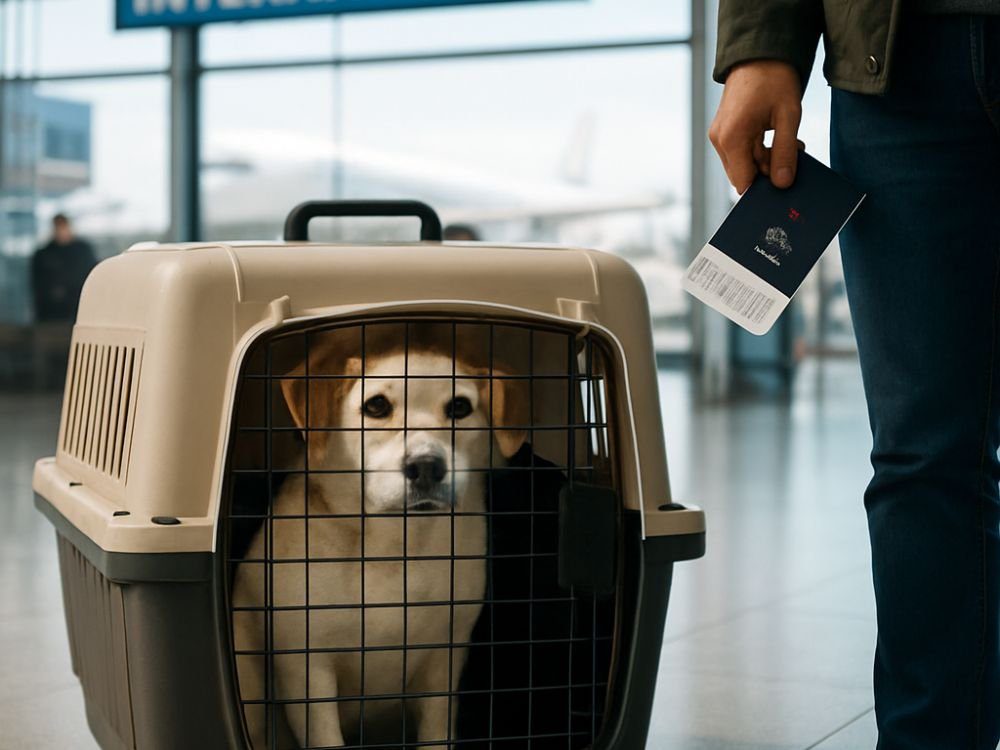
Traveling with dogs in Nicaragua: 7 key rules expats should know
Traveling with dogs in Nicaragua is common among expats, but it is rarely as simple as booking a ticket and showing up at the airport. Most issues arise not because rules are unclear, but because they are applied very literally and sometimes differently than expected.
This guide focuses on real-world experiences, with special attention to travel between Nicaragua, the United States, and Canada. It also includes recent firsthand insight from a traveler who navigated the process successfully, despite a few surprises.
Rule 1: Timing matters more than paperwork volume
When traveling with dogs in Nicaragua, correct timing is often more important than the number of documents you carry. A perfectly completed certificate can still be rejected if the issue date falls outside the accepted window.
Health certificates are especially sensitive. Airlines may apply stricter timing rules than veterinarians expect, and those rules can override local advice.
Rule 2: Understand the Nicaragua pet health certificate window
The Nicaragua pet health certificate is required for most outbound travel. However, a recent traveler learned at Managua airport that the certificate needed to be dated within five days of departure, not ten days as advised by her veterinarian.
This difference almost prevented check-in. The situation was resolved only because the veterinarian answered the phone and reissued the document with an updated date, which was emailed and printed at the airport.
The lesson is simple: always confirm timing requirements with your airline, not just your vet.
Rule 3: US dog import rules change and must be checked close to departure
US dog import rules changed in 2024 and continue to cause confusion. Dogs entering the United States must complete the CDC Dog Import Form online before travel.
As of now, Nicaragua is not listed as a high-risk rabies country by the CDC. That status can change, so it should be verified shortly before departure rather than assumed.
Official guidance is available through the CDC at cdc.gov.
Rule 4: Returning to Nicaragua may not require new US paperwork
This is one of the most important and least understood aspects of traveling with dogs in Nicaragua.
If you are returning to Nicaragua before the expiration date of the IPSA certificate issued prior to departure, re-entry may be allowed using that same IPSA certificate along with proof of rabies vaccination.
A recent traveler confirmed this directly with the Director of Quarantine at IPSA. As a result, she avoided the need for a new veterinary exam in the United States and a USDA-endorsed health certificate, which often costs between 500 and 700 US dollars.
Even with official confirmation, airport staff questioned the documentation. Printed emails verifying IPSA guidance were essential.
Rule 5: Canada pet travel is simpler, but airlines still decide
Canada pet travel requirements are generally more straightforward than those of the United States. Most dogs require proof of current rabies vaccination.
However, airlines may still require a general health certificate issued shortly before departure. These requirements are set by the carrier, not Canadian authorities, and they vary.
Always confirm airline policies directly and in writing.
Why flight path and transit borders matter
Once destination rules are understood, the next factor to consider is how you get there. When traveling internationally with a dog, the route you choose is more than a line on a map.
Health certificate rules, vaccination requirements, and import or export paperwork can change not only at your destination but also in any country you transit through. This is especially important if you cross borders by land or have layovers in countries with their own pet entry requirements.
For example, if you travel overland between Nicaragua and another Central American country such as Costa Rica, that country may require a pet health certificate issued within a strict time window, proof of current rabies vaccination, and additional documentation such as parasite treatments. Costa Rica generally requires a health certificate from a licensed veterinarian and proof of vaccinations, and treats parasite prevention as part of its import rules.
Pets must meet those requirements upon arrival at a Costa Rican border crossing or airport, or they risk being denied entry or quarantined. For reference, see Costa Rica Pet Import Requirements.
Similarly, airlines often enforce transit rules that differ from the arrival country’s rules. Some carriers will not accept pets for travel through certain countries unless all paperwork aligns with each jurisdiction’s regulations. More detail on this can be found in Airport Transit & Layover Regulations for Pets.
For this reason, always research requirements for every country you might enter or pass through. If your travel plan includes multiple stops, especially overland borders, build buffer time into your schedule and confirm requirements with official sources for each place you cross.
Rule 6: Printed documents still matter at the airport
Digital copies are useful, but printed documents remain essential when traveling with dogs in Nicaragua.
At Managua airport, documents may be checked multiple times. Printed certificates, confirmations, and emails often carry more weight than explanations.
- Carry at least two printed copies of each document
- Keep them in a rigid folder rather than a soft bag
- Have key emails printed as well as saved on your phone
Rule 7: Calm preparation reduces stress for everyone
Dogs respond to nervous systems more than instructions. Calm, predictable handling helps reduce anxiety during travel.
Bring familiar items, limit feeding before flights, and ensure hydration. Preparation supports both emotional and physical regulation.
What to expect at Managua airport
When traveling with dogs in Nicaragua, expect document checks at check-in and again before boarding. Questions about dates or certificate validity are common.
Answer clearly and concisely. Avoid over-explaining. Let the paperwork do the work.
Common mistakes expats make
- Relying solely on veterinary advice without confirming airline rules
- Assuming US paperwork is always required for re-entry to Nicaragua
- Missing narrow date windows on health certificates
- Arriving without printed backups
Pet relocation help in Nicaragua
For expats who prefer professional support, there are veterinarians and services in Nicaragua that specialize in pet relocation and international travel preparation. These professionals can help coordinate documentation, timing, and airline requirements.
You can find pet relocation services in Nicaragua through the NicaSeeker directory here: Pet Relocation Services in Nicaragua.
Helpful resources before you fly
For US travel, review CDC guidance carefully at cdc.gov.
For more expat travel and relocation guidance, visit the NicaSeeker blog at https://nicaseeker.com/blog.
Frequently asked questions
Do cats follow the same rules as dogs?
Many Nicaragua requirements apply to cats, but US dog import rules are species-specific. Always verify requirements based on animal type.
Is flying with dogs from Nicaragua safe?
Yes. When properly prepared, most dogs travel without issue. Problems usually come from paperwork errors rather than the flight itself.
Final thoughts
Traveling with dogs in Nicaragua does not need to be overwhelming. With accurate information, realistic expectations, and written confirmation when rules are unclear, expats can travel confidently and avoid unnecessary stress and expense.