San Juan del Sur Healthcare: What Medical Services Are Available?
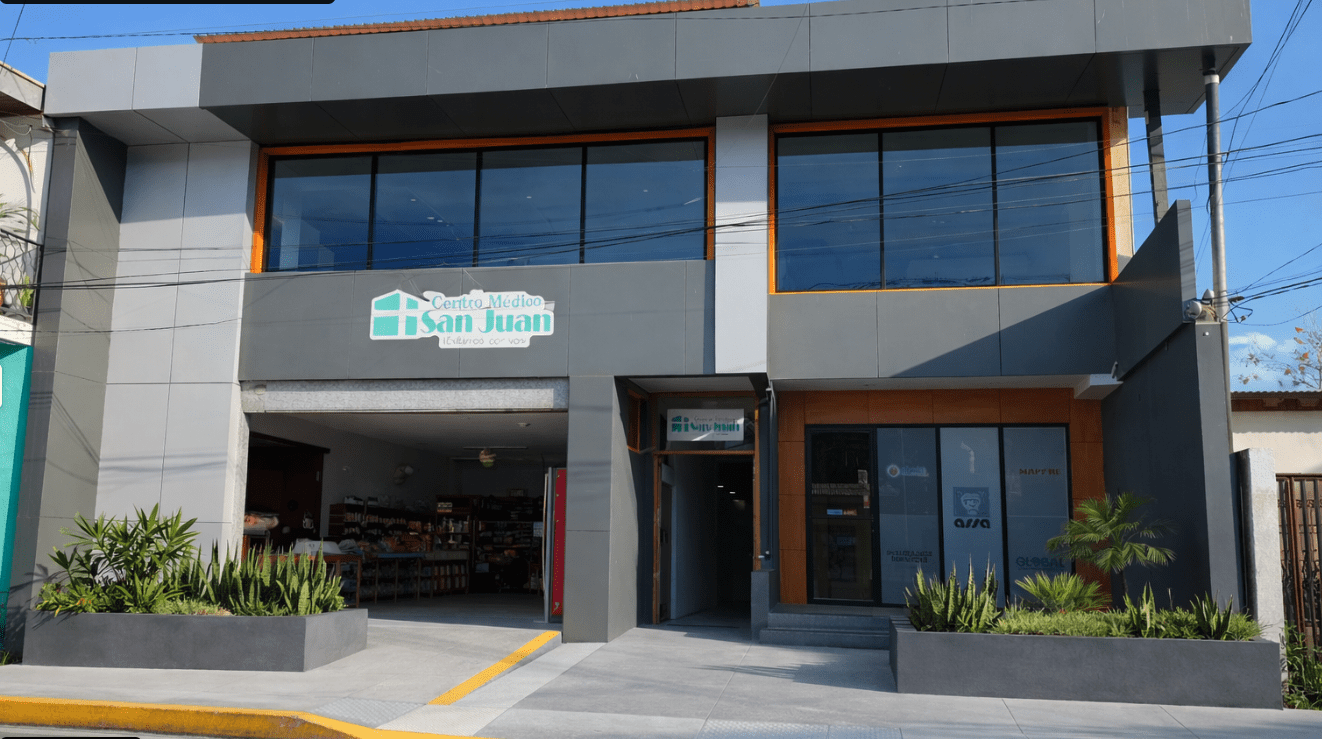
San Juan del Sur healthcare is usually best understood as a mix of local public care, private clinics, pharmacies, and referral options in Rivas or Managua. For everyday needs, visitors and residents may find basic medical attention, pharmacy support, and initial assessment locally. Moreover, Centro Medico San Juan del Sur medical centre in the heart of San Juan del Sur town, offers a 24/7 emergency helpline and can organise home visits and local emergency care. For serious emergencies, complex diagnostics, surgery, specialist care, or ongoing treatment, it is wise to plan for referral outside town. For more information on the two main hospitals in Managua, check out this article.
This matters because San Juan del Sur is a popular coastal destination, not a large medical hub. Services can be practical and helpful, but availability may vary by day, provider, season, language ability, and the urgency of the problem. Anyone with a known condition should prepare before arrival and have suitable medical insurance in place.
Key Takeaways
- San Juan del Sur has local options for basic care — Centro Medico’s 24/7 helpline and the public Hospital Primario Gaspar Garcia Laviana — but not for surgery, specialist care, or complex diagnostics.
- Plan for at least 3 hours of travel time to reach Managua’s two main hospitals; Rivas is a closer but more limited next step.
- The public Military Hospital generally costs less than the private Vivian Pellas Hospital, and both are typically far less expensive than equivalent U.S. care.
- Anyone on regular medication should travel with a written list of generic names, dosages, and allergies, since local pharmacy brand names may differ.
Last updated: July 2026
Quick Answer
San Juan del Sur healthcare generally covers basic medical attention, pharmacies, first-step urgent care, and referrals when a case needs more support. The official MINSA network lists Hospital Primario Gaspar García Laviana in San Juan del Sur, but patients should verify current hours, services, documents, and emergency procedures before relying on any single facility. The general consensus is that if time allows, a trip to the Military Hospital or the private hospital, Vivan Pellas, will provide the best care options possible.
For official context, check the MINSA listing for Hospital Primario Gaspar García Laviana. Health systems, staffing, fees, insurance rules, and referral processes can change, so confirm directly when care is needed. It is also important to be aware that the public hospitals in San Juan del Sur and Rivas will have long queues and are not as well equipped and do not have the same level of expertise in terms of staff, as their Managuan hospital counterparts.
What medical care is usually available locally?
Local care is most useful for minor illness, basic injuries, stomach issues, skin concerns, routine checks, and initial assessment. A local doctor or clinic may help decide whether the situation can be managed in town or should be referred to a larger center.
Pharmacies are also important for daily healthcare access. They may help with common over-the-counter items, basic supplies, and guidance on whether someone should seek medical attention. Still, pharmacy advice should not replace a medical evaluation when symptoms are serious, unusual, or worsening.
Where should visitors start if they feel unwell?
Visitors should start by judging urgency. For mild symptoms, a local clinic, hotel recommendation, trusted property manager, or nearby pharmacy may help with the first step. For serious, sudden, or unsafe symptoms, seek emergency help immediately.
Travelers should keep identification, insurance information, medication names, allergies, and an emergency contact easy to access. This is especially important for families, older visitors, surfers, boaters, and people staying outside the town center.
Save local care options before they are needed.
Are emergency services available in San Juan del Sur?
Emergency access may begin locally, but not every emergency can be fully handled in town. Coastal communities often stabilize, assess, and refer more serious cases to larger facilities when needed. That can include Rivas or Managua, depending on the condition and available transport.
This is why planning matters. Know how you would leave your rental, hotel, or neighborhood quickly. Ask where the closest road access is if you stay on a hillside, rural road, or beach outside town. Confirm whether your accommodation can help with urgent transport.
The Costanera coastal road has also improved access along parts of the southern Pacific coast, making some trips faster and more reliable than they were on older rural routes. That can help with movement between coastal communities, but it should not replace emergency planning. Road conditions, traffic, weather, nighttime visibility, and transport availability can still affect how quickly someone reaches care. The reality is, that you should allow at least 3 hours of travel time to get from San Juan del Sur to the two Managuan hospitals.
For emergencies, do not rely only on online lists. Ask current local contacts, your lodging provider, or the relevant facility about the safest route and current availability.
What about pharmacies and prescriptions?
Pharmacies can be convenient for basic needs, but brand names, available products, and rules may differ from a visitor’s home country. People who depend on prescription medicine should travel with enough supply, original packaging, and a written list of generic names.
Do not assume a specific medicine will be easy to replace. Some products may be unavailable, known by another name, or require a different process. If a medicine is essential, speak with a doctor before travel and confirm options locally.
When should someone go to Rivas or Managua?
Rivas is often the next practical step for more services, while Managua may be needed for broader specialist care, advanced diagnostics, private hospitals, or complex treatment. The right choice depends on urgency, insurance, transport, and medical advice.
People should consider leaving town when symptoms are severe, when a condition needs equipment not available locally, or when a provider recommends referral. It is better to plan early than wait until travel becomes harder.
For retirees, long-stay expats, and families, it helps to create a care map. Include local options, Rivas options, Managua options, transport contacts, insurance contacts, and a trusted bilingual helper.
How much should expats and visitors expect to pay?
Costs vary by provider, service, medication, insurance status, and whether care is public or private. Do not rely on fixed price claims from social media because they may be outdated or based on one person’s situation.
Ask for an estimate before non-emergency services when possible. Confirm whether payment is expected in cash, card, córdobas, or U.S. dollars. If using travel insurance or international health insurance, ask what documentation is needed for reimbursement.
For longer stays, compare insurance options before moving. A low monthly budget can become fragile if it does not include medical care, transport to Rivas or Managua, and emergency savings.
Specifically, the Military Hospital, being a public hospital, tends to be cheaper than its private counterpart, Vivian Pellas. That said, a hospital stay at either hospital is likely to be far less expensive than what it would cost you in the US for example. And you will be seen quickly – no massive wait times that are increasingly common in the Western World.
What services may require referral?
| Need | Likely local starting point | Possible next step |
|---|---|---|
| Minor illness | Clinic, doctor, or pharmacy | Follow-up if symptoms continue |
| Basic injury | Local assessment | Imaging or specialist referral if needed |
| Dental concern | Local dentist if available | Rivas or Managua for complex work |
| Pregnancy or child health | Local guidance or public facility | Specialist or hospital referral when advised |
| Chronic condition | Medication planning and checkups | Specialist care in a larger city |
| Serious emergency | Immediate local help | Transfer to larger facility if required |
This table is for planning, not diagnosis. A qualified provider should guide medical decisions based on the person’s condition and the current services available.
What this means in reality
For most healthy visitors, San Juan del Sur can be comfortable with basic preparation. Bring needed medicine, stay hydrated, use common-sense food and sun precautions, and know where to ask for help.
For expats and retirees, planning should be more detailed. Choose housing with realistic road access. Think about how you would reach care at night. Keep a small folder with copies of identification, insurance information, allergies, prescriptions, and emergency contacts.
Common mistakes
One mistake is assuming a beach town has the same medical depth as a capital city. Another is waiting until a problem happens before learning where care is located. A third is assuming English will always be available.
Some visitors also forget to plan transport. That matters because medical care is not only about the facility. It is also about how quickly and safely you can get there.
Another common mistake is traveling without medication details. A photo of the box is helpful, but a written list of generic names, dosage, and allergies is better.
Next steps before you need care
Before arriving or moving, make a short healthcare plan. Identify the nearest local care option. Ask your hotel, host, or property manager what they recommend for urgent situations. Note how long it may take to reach Rivas or Managua.
Check your insurance rules. Some policies require pre-approval, receipts, medical reports, or specific claim steps. Keep digital and printed copies of important documents.
For more practical relocation and daily-life guides, visit the NicaSeeker blog. A little preparation can make San Juan del Sur healthcare easier to navigate, especially when decisions need to be made quickly and calmly.
Frequently Asked Questions
Is there a hospital in San Juan del Sur?
Yes. Centro Medico San Juan del Sur, in the heart of town, offers a 24/7 emergency helpline and can arrange home visits and local emergency care. The public MINSA network also lists Hospital Primario Gaspar Garcia Laviana. Neither is equipped for complex diagnostics, surgery, or specialist care, which requires referral to Rivas or Managua.
How far is San Juan del Sur from a major hospital?
Plan for at least 3 hours of travel time from San Juan del Sur to reach the two main hospitals in Managua. Rivas is a closer next step for more services than are available locally, though it still doesn’t match Managua’s specialist care and equipment. Road conditions and time of day can affect actual travel time.
Are there pharmacies in San Juan del Sur?
Yes, pharmacies are available locally and are a useful first stop for common over-the-counter items and guidance on whether a doctor visit is needed. Brand names and available products can differ from a visitor’s home country, so anyone on regular medication should travel with a written list of generic names and enough supply.
How much does healthcare cost in San Juan del Sur?
Costs vary by provider and whether care is public or private, so fixed price claims from social media shouldn’t be relied on. The public Military Hospital tends to cost less than the private Vivian Pellas, and either is typically far less expensive than equivalent care in the U.S., often with much shorter wait times.
Should I get travel insurance for a trip to San Juan del Sur?
Travel or international health insurance is strongly worth having, since costs and documentation requirements vary by provider and whether care is public or private. Confirm what documentation your policy needs for reimbursement before you need it, and keep digital and printed copies of your insurance information accessible while in San Juan del Sur.
Written by Sharon Henderson, founder of NicaSeeker, based in Nicaragua.
San Juan del Sur healthcare is one piece of the picture — see our Living in Nicaragua as an Expat guide for everything else to plan around.