Family Life in Nicaragua: Schools, Housing and Routines
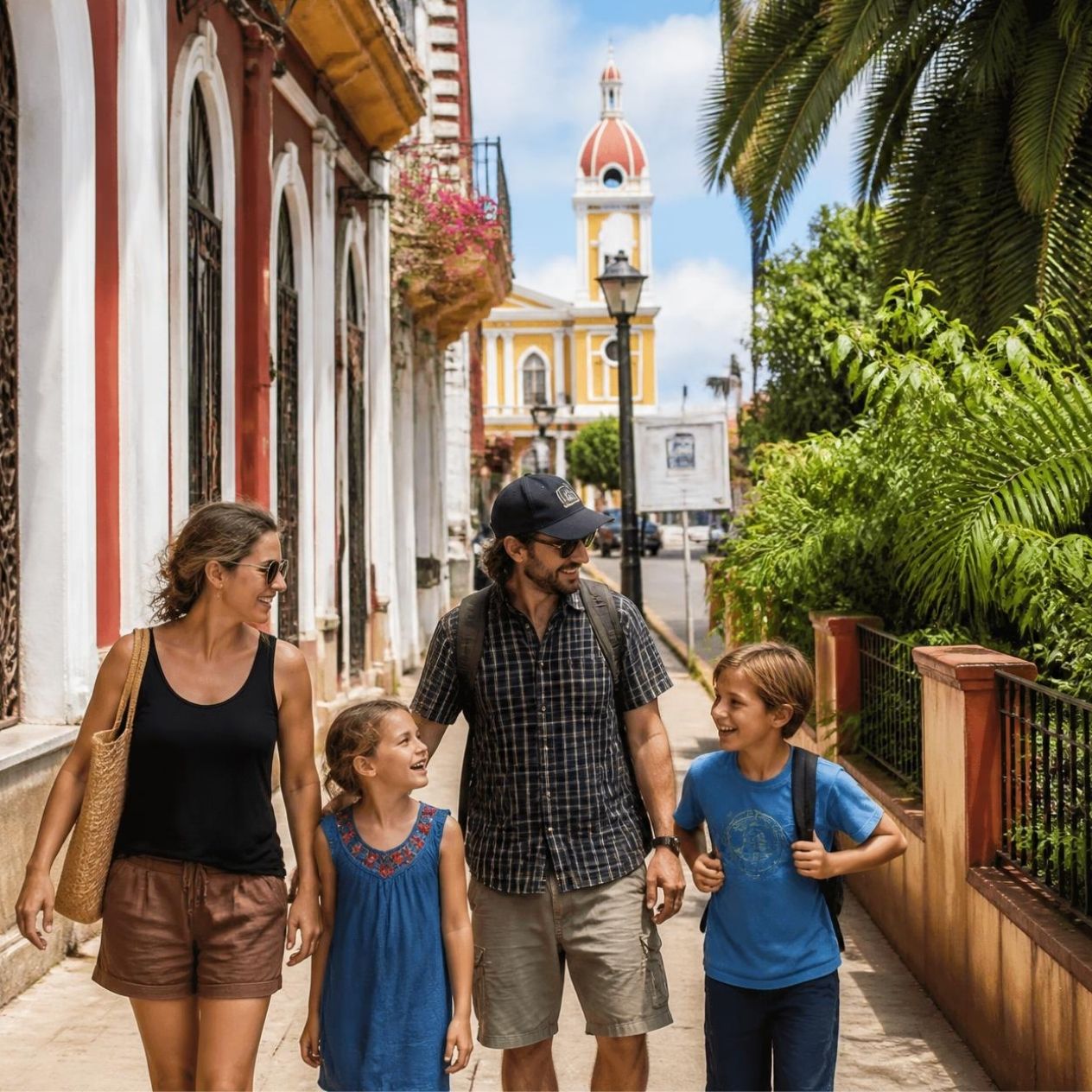
Family Life in Nicaragua looks different depending on the town, the school, and the routine and priorities that the family is looking for. Most families who move here and ultimately decide to stay, share a few common threads: they research schools early, they choose housing with children’s needs and routines in mind, and they give themselves time to adjust before judging whether the move is working.
Key Takeaways
- Choosing the right town matters more for families than for solo expats, since access to schools, healthcare, and other families varies significantly between locations.
- Private and bilingual schools are the most common choice for expat families, though costs and admissions requirements vary widely.
- Housing decisions for families often prioritize safety, outdoor space, and proximity to schools over how far away the nightlife is.
- A slower pace of life can mean more quality family time, but it also means fewer scheduled activities than families may be used to elsewhere.
Last updated: September 2026
Choosing a Town That Suits Families
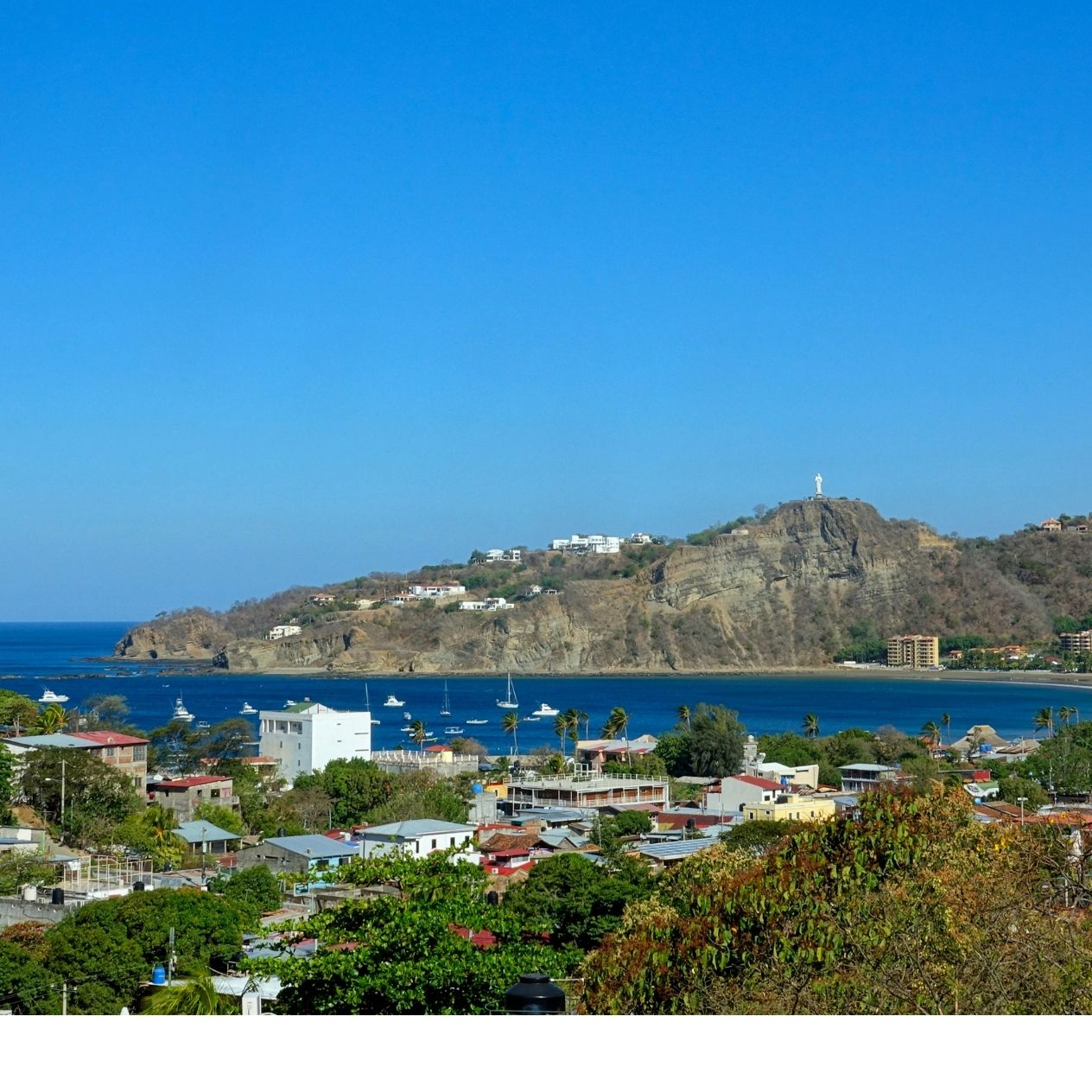
Family Life in Nicaragua often starts with choosing the right town, since this shapes nearly everything else, from which schools are realistically accessible to how easy it is to meet other families. Granada and San Juan del Sur both have established expat communities with families already living there, while smaller or more remote towns may offer a quieter pace but fewer built-in social connections for children.
For a broader look at how different towns compare more generally, our Living in Nicaragua as an Expat guide covers the wider relocation picture beyond family-specific considerations.
Schools and Education Options
Education is usually the single biggest factor shaping where a family settles in Nicaragua. Many expat families choose private or bilingual schools, which tend to offer smaller class sizes and more individual attention than large public schools, though tuition, admissions requirements, and available spots vary significantly by school and location.
For a detailed breakdown of the education system itself, including public and private options and how the school year is structured, see our Nicaraguan Education System Guide. It’s worth visiting prospective schools in person before committing to a town, since class size, school culture, curriculum, and daily schedule can vary more than a website or brochure suggests. Often, class sizes are much smaller, which can be a real plus—but in some cases, there are so few children that class sizes may feel too small in some schools and areas, so this is something worth exploring ahead of time.
Some families opt for local schools so that their children can learn Spanish in an immersion-style environment. This can be a great way to kickstart acquiring the language in record time, but it may be hard for the children in the beginning. Much depends on the personality of the child but it’s definitely an option at least worth considering.
There is also the option for homeschooling, and some schools offer programs where a tutor is provided to support online learning in a group setting.
Housing Considerations for Families
Housing priorities tend to shift once children are part of the picture. Many families look for a home with some outdoor space, a safer, quieter street, and reasonable proximity to school rather than prioritizing distance to restaurants or nightlife the way a single expat might.
Renting for the first six to twelve months before buying gives a family time to learn a specific neighborhood, confirm the school commute is manageable, and see how the household actually settles in before making a bigger commitment.
Healthcare Planning for Children
Healthcare access matters for every family, but planning ahead becomes especially important with children, since needs can arise unexpectedly. Many families combine routine local pediatric care with international health insurance or a plan that covers specialist access in Managua if something more serious comes up. Our Healthcare in Nicaragua for Expats guide covers what’s realistically available locally versus what typically requires a trip to a larger city.
Fewer Scheduled Activities, More Outdoor Time
Family Life in Nicaragua tends to run at a slower pace than many families are used to. Children spend more time outdoors, and afternoons are rarely packed with the back-to-back lessons, clubs, and practices many families are used to scheduling around in their home country. For some families, this is exactly the appeal. For others, it takes real adjustment, particularly for children used to a fuller schedule of structured activities.
Community tends to form informally, through school, neighbors, and other expat families rather than through a large number of organized programs. Parents who make an effort to connect with other families early, whether through school events or local expat groups, generally find the adjustment period shorter. For those who choose to homeschool, connecting with other families can be challenging in some locations, and local activities may well be the best opportunity to form those all-important social connections.
Budgeting for a Family Move
Family budgets in Nicaragua look different from a single person’s or a couple’s, since school fees, larger housing, and higher grocery volumes all add up. For a general sense of everyday costs to build from, our Cost of Living in Nicaragua guide covers the broader budgeting picture that a family plan can be built on top of.
Common Mistakes Families Make
- Choosing a town based on general appeal without confirming school options and healthcare access first.
- Signing a long-term lease before visiting the specific neighborhood with children in mind, such as checking road safety and noise levels.
- Underestimating how much slower daily life can feel for children used to a fuller schedule of activities.
- Waiting too long to enroll in a school, only to find preferred options already at capacity for the year.
Getting Started
Families seriously considering a move to Nicaragua benefit from a longer trial visit than a solo mover might need, ideally including a look at actual school days in session rather than just a campus tour. Speaking directly with other expat families already living in a prospective town can also surface practical details that don’t show up in general research. For official information on the national education system, Nicaragua’s Ministerio de Educación (MINED) is a useful starting point.
Frequently Asked Questions
Is Nicaragua a good place to raise a family?
Family Life in Nicaragua suits many people well, particularly for a slower pace of life and strong outdoor access, though the right town, school, and housing setup make a significant difference. Families who research schools and healthcare access before choosing where to settle tend to have a smoother adjustment.
What schools are available for expat children in Nicaragua?
Private and bilingual schools are the most common choice among expat families, generally offering smaller class sizes than public schools. Costs, admissions requirements, and available spots vary significantly by school and location, so visiting in person before committing to a specific town is worth the time. There is also the option for homeschooling and some schools offer programs where a tutor is provided to support online learning in a group setting.
Which towns in Nicaragua are best for families?
Granada and San Juan del Sur both have established expat communities with other families already living there, which can ease the social adjustment for children. The right fit ultimately depends on school access, healthcare proximity, and the specific neighborhood within each town.
How much does it cost to raise a family in Nicaragua?
Family budgets vary significantly based on school choice, housing size, and lifestyle, and tend to run higher than a single person’s budget due to school fees and larger housing needs. Building a family-specific budget on top of general cost-of-living figures gives a more realistic starting point.
How do families access healthcare for children in Nicaragua?
Many families combine routine local pediatric care with international health insurance or a plan covering specialist access in Managua for anything more serious. Confirming what’s realistically available locally versus what requires travel to a larger city is worth doing before settling into a specific town.
Written by Sharon Henderson, founder of NicaSeeker, based in Nicaragua.
Weighing whether Nicaragua is the right fit for your family? Drop me a line — happy to talk through what’s actually realistic for your specific situation, kids included.