Cost of Living in Nicaragua: How to Plan a Realistic Budget
Cost of Living in Nicaragua depends on where you live, the type of home you choose, your work routine, and the level of comfort you expect. Nicaragua living expenses can look very different in a central Managua neighborhood, a beach community near San Juan del Sur, colonial Granada, or a smaller inland town. A realistic budget should include normal local spending, imported items, health needs, transport, and costs that only become clear after the first month.
Key Takeaways
- A single person’s monthly budget in Nicaragua generally falls between $800 and $1,500, while couples who own their home often report $1,000 to $2,500 a month.
- Housing is usually the single biggest factor in a Nicaragua budget, and owning outright typically costs less over time than renting.
- Utilities, imported goods, and healthcare are the categories newcomers most often underestimate when building a first budget.
- Costs vary significantly by town, so comparing the same routine across two or three locations gives a more realistic picture than a single national average.
Last updated: July 2026
Nicaragua can suit people who want a slower pace of life and access to local markets. Newcomers can be caught out, though, when holiday prices or one online estimate shape their expectations. A beach rental, air conditioning, imported groceries, travel, or a remote-work setup can change monthly spending quickly and significantly.
Quick Answer
Cost of Living in Nicaragua can be manageable for people who choose housing carefully, use local services, and plan for variable expenses. Your budget will depend on location, rental terms, transport, utility use, healthcare, imported goods, and household size. Prices and service availability can change, so confirm current costs directly with landlords, providers, and local businesses before committing. Be especially mindful of low season and high season, because accommodation costs can vary considerably.
What are Nicaragua living expenses likely to include?
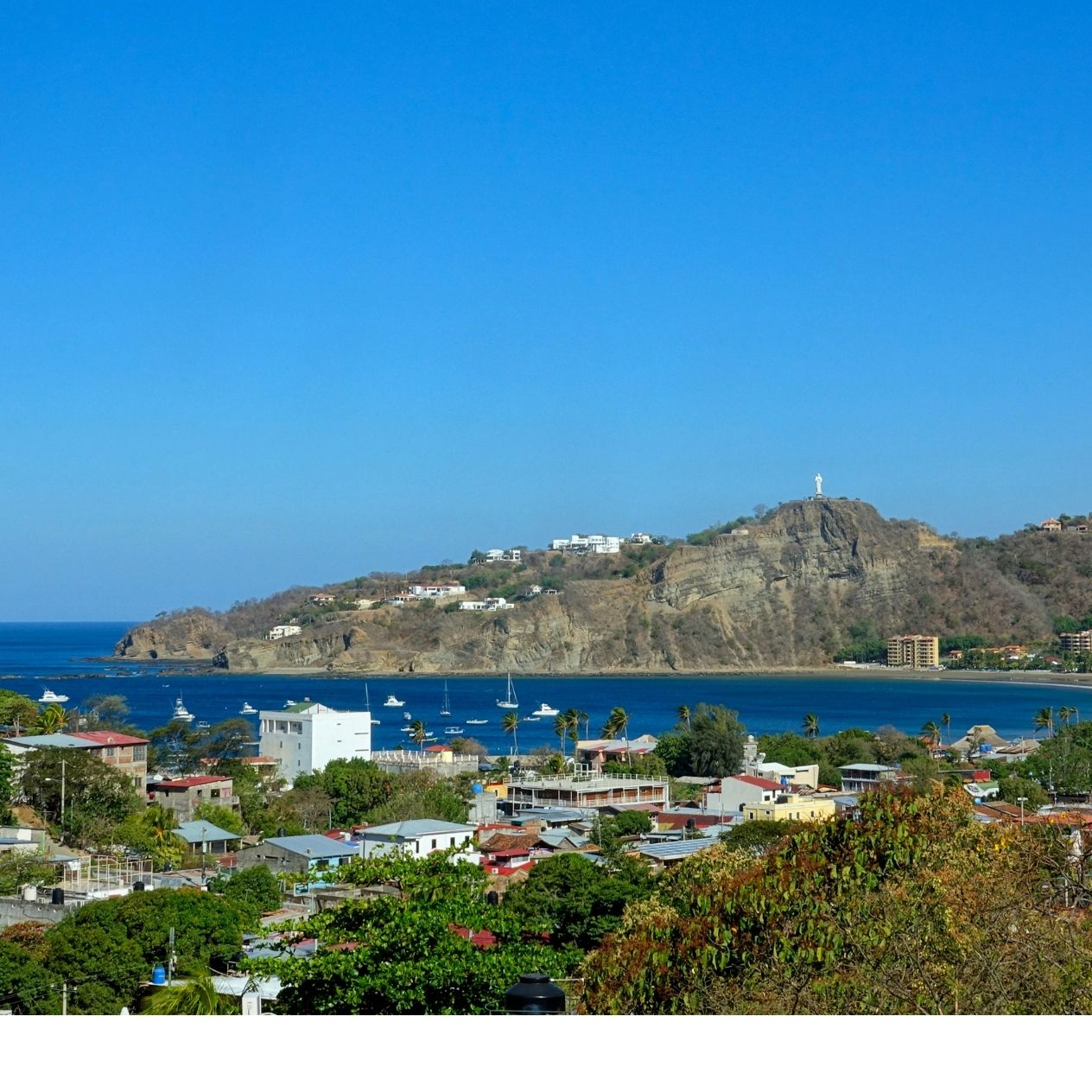
The largest difference is often where and how you live. A central neighborhood in Managua, a beach area near San Juan del Sur, a colonial city such as Granada, and a smaller inland town do not have the same rental market or daily routine. Even within one town, distance from the center, road access, furnished amenities, and reliable internet can affect the price of a home.
Your lifestyle matters just as much. Cooking with local produce, using local transport, and living without constant air conditioning may keep regular spending lower. For example, we are fortunate to live off-grid with solar panels, so electricity bills are not part of our regular household costs. Imported foods, a private vehicle, frequent restaurant meals, home deliveries, and overseas travel can add more pressure to a budget.
How do Nicaragua housing costs vary by town?
Housing is usually the first category to research because it shapes transport, power use, internet options, and access to services. Nicaragua housing costs may reflect whether you need a simple apartment, a furnished long-stay rental, a family house, or a property with a workspace and backup systems.
Ask what is included before comparing listings. A lower advertised rent may exclude electricity, water, internet, cleaning, security, parking, furniture, or maintenance. A more expensive rental may reduce commuting time and make work or daily errands easier.
Short stays can cost more than a longer local lease. Use an initial rental period to learn the area before making a long commitment. Check noise, water pressure, road access, mobile signal, nearby shops, and how the home feels during rain or hot afternoons. Some renters in San Juan del Sur and nearby areas report deposit disputes, so keep agreements, payment records, and a clear condition inventory in writing.
What should a Nicaragua expat budget include for food, transport, and utilities?
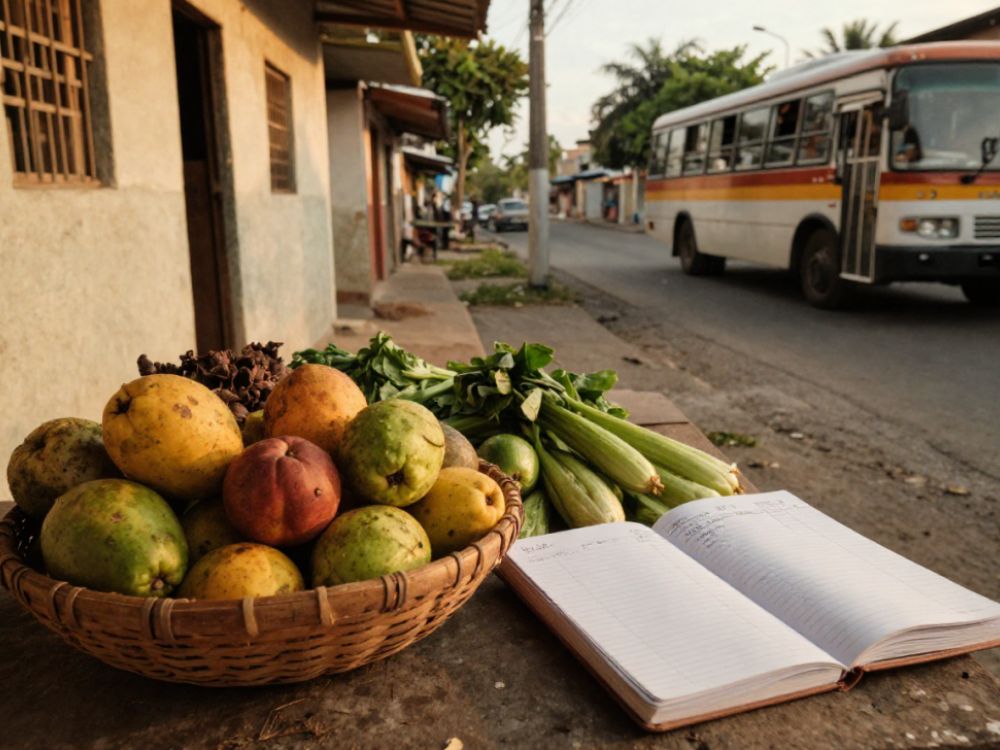
Food spending can change according to where you shop and what you regularly buy. Local markets and neighborhood shops may work well for fresh produce and common household items. Imported brands, specialty diets, convenience foods, and frequent dining out may cost more than you expect.
Transport requires the same realistic planning. Walking, local buses, taxis, ride services, a scooter, or a private vehicle each create a different budget. A lower-cost home farther from schools, healthcare, errands, or your workspace can bring higher transport costs later. Access to the Costanera coastal road has also made several locations that once felt remote more accessible.
Utilities are easy to underestimate. Power use can rise with air conditioning, water pumps, hot-water systems, appliances, and home-office equipment. Ask recent tenants or the provider about usual service arrangements, then allow room for seasonal changes and unexpected repairs.
| Budget area | Questions to ask | Common planning mistake |
|---|---|---|
| Housing | What does rent include, and how long is the agreement? | Comparing advertised rent without utility or furnishing costs |
| Food | Will you shop locally, buy imported goods, or eat out often? | Using vacation spending as a long-term estimate |
| Transport | How often will you need a vehicle, taxi, or longer trip? | Ignoring distance from daily errands and services |
| Utilities | How much cooling, pumping, and home-office use is expected? | Assuming bills will stay the same every month |
| Healthcare | Where is the closest suitable clinic or hospital? | Leaving insurance, travel, and specialist needs out of the plan |
How do healthcare, internet, and upkeep affect a budget?
Healthcare planning should be practical, especially for retirees, families, and people with ongoing needs. Identify local clinics, hospitals, pharmacies, and the travel time involved. Check what an insurance plan covers, what it excludes, and whether you may need to travel to Managua for specialist care. Medical and insurance decisions deserve advice from the relevant professionals.
Remote workers should treat internet and backup power as operating costs, not small extras. Test the connection where you intend to live. Asking in local expat WhatsApp and Facebook groups can help you gather recent feedback about providers in the area. Confirm mobile-data alternatives, a quiet workspace, backup options, and the cost of equipment you need to maintain client work.
Why should you budget by town, not by country?
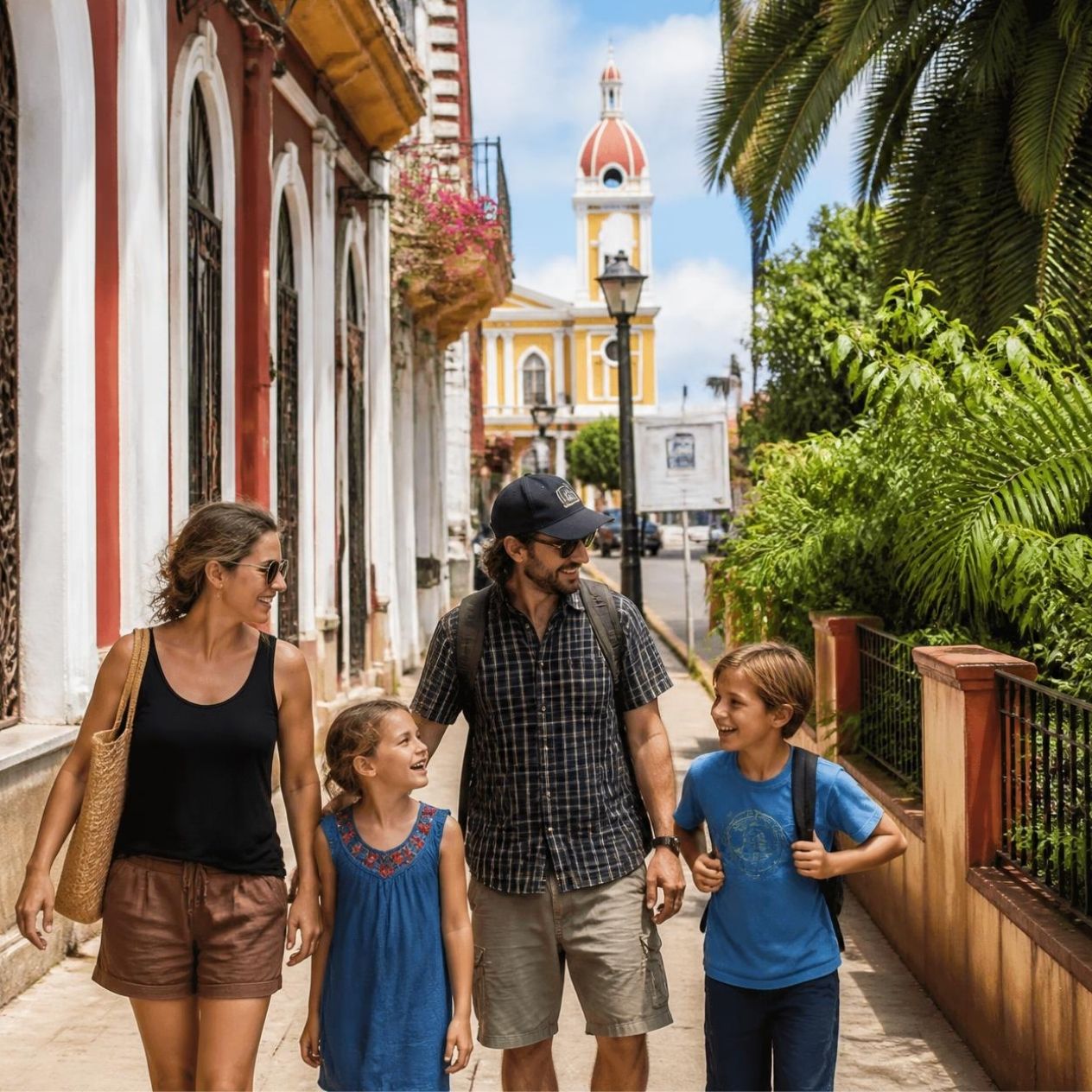
Cost of Living in Nicaragua can vary markedly between locations. Tourist areas such as San Juan del Sur and Granada may have different rental expectations and more demand for furnished homes. Larger cities can offer more choices for shopping and services, while smaller towns may require more planning for transport or specialist care.
Build a shortlist of two or three places, then compare the same routine in each one. Price a comparable rental, a week of groceries, phone service, transport, gym or activities, and a basic healthcare plan. Do not assume that a lower rent in one place will always produce a lower overall monthly cost.
It also helps to track prices over several weeks. The Central Bank of Nicaragua publishes consumer-price-index information for national, Managua, and rest-of-country comparisons. Use that context alongside current local quotes, not instead of them.
What this means in daily life
Cost of Living in Nicaragua is easier to manage when your routine matches your budget. A modest home near your normal errands may be more practical than a larger home that needs long trips, constant cooling, or expensive workarounds. Convenience can also mean fewer things that need solving each week.
It also pays to remember that not everything you may want is readily available in country. Some local operators offer shopping trips to Managua and will bring back items you order for a service fee. For products such as health supplements, computers, or mobile phones, an overseas purchase may sometimes be necessary. Shipping often requires a U.S. broker, commonly through Miami, and the full cost can rise once freight and local delivery are added.
Imagine a regular month, not a perfect holiday. Include a rainy day, a repair, a pharmacy visit, a work deadline, a family need, and a trip to the airport. A budget that can absorb ordinary life is more useful than one that only works during a good month.
What mistakes should you avoid when estimating costs?
The first mistake is treating one person’s budget as a promise. Household size, dietary needs, rental standards, location, and medical requirements are personal. The second is leaving out irregular expenses such as deposits, repairs, documents, flights, replacement equipment, and emergencies.
Another mistake is comparing only in dollars while ignoring how you will pay and manage cash flow. Ask about payment methods, deposits, banking access, and the timing of bills. Avoid signing a long lease or buying property before you understand the full monthly picture.
What should you do before moving to Nicaragua?
Before moving to Nicaragua, start with a written budget in three versions: essential, comfortable, and higher-flexibility. Visit the areas you are considering and collect current quotes for housing, utilities, groceries, transport, phone service, and healthcare. Keep a reserve for the costs you cannot predict exactly.
For a wider relocation comparison, read our guide to Nicaragua vs Costa Rica for Living. For price-trend context, review the Central Bank of Nicaragua consumer price index. Choose your location slowly, verify current local costs, and build a plan that supports the life you want to live.
Frequently Asked Questions
How much does it cost to live in Nicaragua per month?
Cost-of-living research generally puts a single person’s comfortable monthly budget between $800 and $1,500, with a tighter budget possible around $500 to $700 for those living more locally. Couples who own their home outright often report monthly expenses in the $1,000 to $2,500 range, depending on location and lifestyle.
Is it expensive to live in Nicaragua?
No — Nicaragua is consistently ranked among the most affordable countries in Central America, with both rent and overall living costs running well below U.S. averages. Housing outside the main tourist towns is typically the biggest source of savings, especially for anyone who owns rather than rents.
What is the average salary in Nicaragua?
Local monthly salaries in Nicaragua are generally low by North American standards, which is part of why day-to-day costs stay affordable for expats earning income from abroad. Remote workers and retirees paid in U.S. dollars or euros are typically in a stronger financial position than salaried local workers.
How much do I need to retire in Nicaragua?
There’s no single retirement number, since housing choice, healthcare needs, and lifestyle vary widely between retirees. Many who own their home and live modestly report comfortable monthly budgets similar to other long-term expats, roughly $1,000 to $2,500 for a couple. A written, town-specific budget beats a general figure.
Is rent cheaper in Nicaragua than in the US?
Yes, rent in Nicaragua is significantly lower than typical U.S. rental costs, and many one-bedroom furnished rentals outside major tourist areas fall well under $550 a month. Prices rise in high-demand beach towns and during high season, so confirm current listings directly with landlords or local agents.
Written by Sharon Henderson, founder of NicaSeeker, based in Nicaragua.
Budgeting is just one piece of the picture — see our Living in Nicaragua as an Expat guide for everything else to plan around.