Nicaragua vs Costa Rica for Living: 5 Practical Differences
Nicaragua vs Costa Rica for Living is a practical comparison for people considering a longer stay, remote work, retirement, or relocation. Which country is the better fit depends largely on your budget, healthcare needs, work setup, and lifestyle.
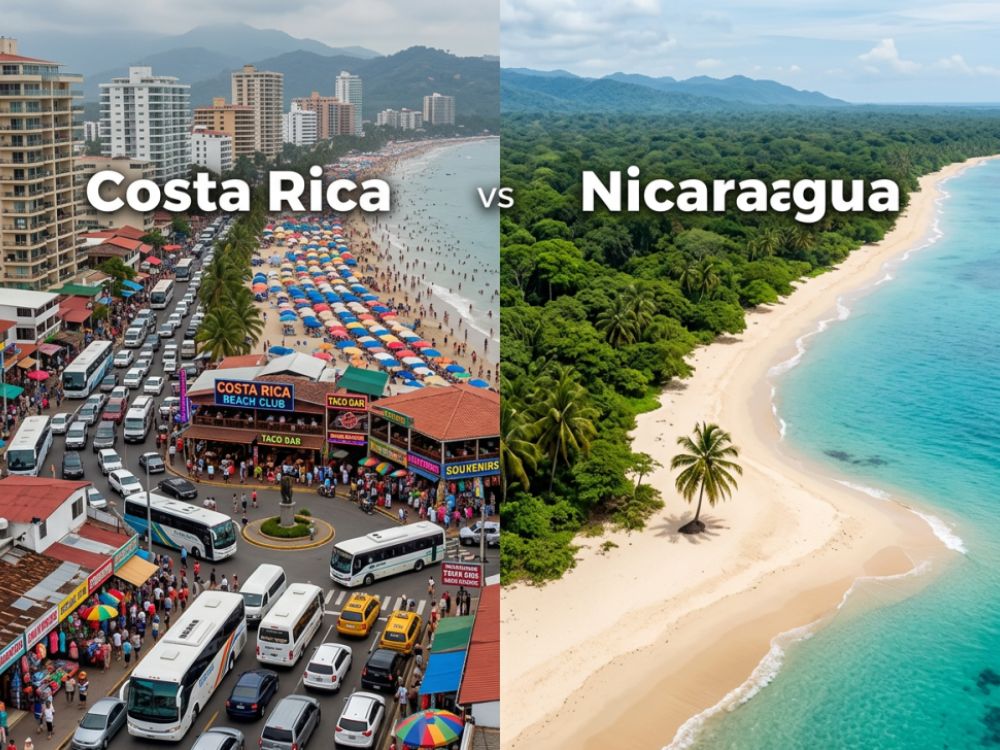
Costa Rica is often the more familiar choice for those looking to relocate from North American and European. In some areas, you’ll find Costa Rica is well-equipped with visitor services and established expat communities. Nicaragua can appeal to people who prefer a slower pace of life, a more locally-oriented routine, and lower day-to-day expenses in many locations. Neither country is automatically right for every person.
Key Takeaways
- Nicaragua is generally 40–50% cheaper than Costa Rica for typical travel and daily living costs, according to independent cost-of-living comparisons.
- Both countries report lower violent crime rates than many major U.S. cities, though Costa Rica’s tourism infrastructure is more established and predictable.
- Costa Rica receives roughly twice as many international visitors each year, so popular sites can feel busier during the December–April high season.
- Costa Rica has two international airports and more developed roads, while Nicaragua’s simpler infrastructure suits travelers comfortable with less predictability.
Last updated: July 2026
Quick Answer
Nicaragua vs Costa Rica for Living is not simply a choice between a cheaper country and a more developed country. Costa Rica may suit people who want established services and a larger expat network. Nicaragua may suit people seeking a calmer pace and a less commercial routine. Costs, healthcare access, internet reliability, residency options, and comfort levels vary by location, provider, season, and current official requirements.
Watch the Related Video
This short video shares the personal perspective behind this comparison.
Which country costs less for everyday life?
For many newcomers, Nicaragua can be the lower-cost option for local everyday spending. That does not mean it’s cheap living throughout Nicaragua, or that everywhere in Costa Rica is very expensive. Rent, imported groceries, private healthcare, vehicles, electricity use, and proximity to popular beaches can change a monthly budget quickly in either country.
Do not rely on one national average or a single social-media budget. Build two realistic budgets around the life you expect to live. Include housing, food, transport, internet, insurance, routine healthcare, visa-related costs, and an emergency fund. Then compare those figures in the specific towns you are considering.
A lower price can involve trade-offs. Some Nicaragua locations may have fewer specialist services or slower processes. Some Costa Rica locations may make certain services easier to find, but those conveniences can increase general expenditure.
What does daily life feel like in Nicaragua and Costa Rica?
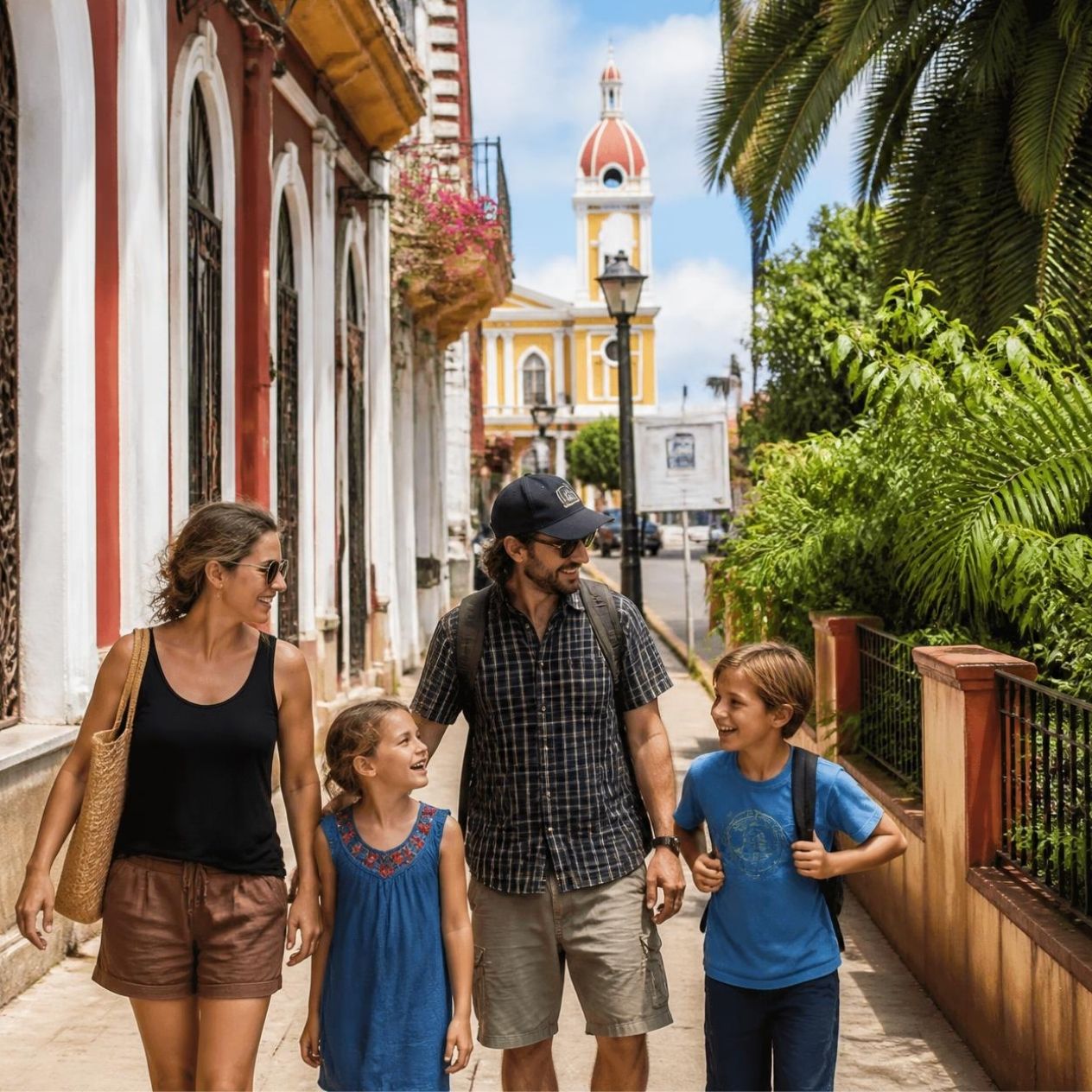
Daily life is where a Nicaragua vs Costa Rica for Living decision becomes personal. Costa Rica may feel more established in major tourism and expat areas. Nicaragua may feel less commercial in many places, with a stronger sense that you’re joining a local community rather than a ready-made expat setting.
Think about how you prefer to shop, eat, get around, meet people, solve small problems, and spend a quiet weekday. A location that feels exciting on a one-week holiday can feel too busy, too isolated, or too costly during a normal month.
Personal experience is useful, but it should not replace research. One resident may value Nicaragua’s quieter pace. Another may prefer Costa Rica’s wider choice of services. Visit both long enough to observe ordinary routines, not only tourist highlights. From my own personal experience, the same is true in Mexico -vs- Nicaragua. While Nicaragua was hands down the country of choice for us, it was not so for others, who preferred the convenience and amenities in Mexico.
How should you compare healthcare, safety, and local services?
Healthcare and personal safety require location-specific research. A beach town, city, or rural community can offer very different access to clinics, hospitals, roads, pharmacies, and emergency support. Do not use a national reputation as a substitute for checking the area where you may actually live.
Compare practical habits instead of relying on a simple label. Ask about transport after dark, rainy-season access, local pharmacy hours, and how residents handle urgent situations. Before travel or relocation, review current official U.S. Department of State travel advisories and guidance from your own government. However, treat them with caution, as there’s definitely a Western narrative that says Central and South America are far more dangerous than Western countries and this has most definitely not been my personal experience.
Before signing a lease, identify the closest clinic and hospital. Check travel time, language needs, insurance arrangements (and check out this article), and whether relevant specialists are available nearby. People with ongoing medical needs should speak with appropriate medical and insurance professionals before making a long-term commitment.
Which country is better for remote work?
Neither country should be chosen for remote work based only on a beach photo or one fast internet test. Internet quality can vary by neighborhood, building, provider, season, and power conditions. A reliable backup plan matters wherever you work.
Before choosing a rental, test the connection at the hours you normally work. Confirm mobile-data options, backup power, a quiet workspace, and a workable second location. These details matter more than a headline speed test.
Costa Rica may offer more established coworking and digital-nomad infrastructure in certain areas. Nicaragua may offer a slower routine and potentially lower recurring costs in some locations. The better choice depends on your client demands, income stability, time zone, and tolerance for disruption.
What should retirees and families check before moving?
Retirees and families should make the comparison more detailed. Healthcare access, nearby schools, transport, rental stability, community support, and distance from an airport may matter more than a low restaurant bill. A family’s ideal neighborhood can be very different from a solo traveler’s favorite beach town.
Check entry and residency requirements through official channels before making plans around a long stay. Rules, documents, fees, and processes can change. Verify current requirements directly with the relevant authority and obtain qualified advice for legal, tax, property, or insurance decisions.
| Factor | Nicaragua | Costa Rica | What to verify |
|---|---|---|---|
| Daily spending | May be lower in some locations and lifestyles | May be higher in popular tourism and expat areas | Rent, imported goods, transport, utilities, and healthcare |
| Services | Can vary widely by town and region | Can be more established in some relocation hubs | Clinics, shops, roads, banking, and delivery options |
| Remote work | Needs location-specific testing and backups | Needs location-specific testing and backups | Internet, power resilience, mobile data, and workspace |
| Long-term stay | Requirements should be checked directly | Requirements should be checked directly | Entry, residency, tax, insurance, and property rules |
What does this mean in daily life?
Nicaragua vs Costa Rica for Living becomes clearer when you stop comparing country brands and start comparing normal weeks. Imagine a rainy Tuesday, a doctor’s appointment, a delayed repair, a grocery run, a work deadline, or a visitor arriving at the airport. Which location makes that ordinary life feel manageable?
Spend time in the neighborhoods you are seriously considering. Shop locally, take transport, use a pharmacy, and make practical calls. Notice your reaction to heat, rain, noise, language barriers, road conditions, and the pace of services.
What mistakes should you avoid when comparing the two countries?
The first mistake is assuming that lower prices solve every problem. A lower budget may help, but it does not replace suitable healthcare, reliable work conditions, or a support network. The second is assuming that a polished tourism image guarantees a better long-term fit.
Another mistake is comparing only one beach town in each country. Conditions change from region to region. Use videos, holidays, and cost calculators as starting points, then verify the factors that affect your finances, safety, health, and legal status.
What should you do before choosing Nicaragua or Costa Rica?
Make a short list of your non-negotiables. Then visit both countries with a normal-life mindset. Stay long enough to test your routine, compare rentals, ask local questions, and revisit your budget. For grounded guidance about life in Nicaragua, explore the NicaSeeker blog before making a major decision.
Costa Rica has an international reputation. Nicaragua offers a different pace and a different set of trade-offs. Choose slowly, verify current requirements, and focus on the place where your everyday life is most likely to work well.
Frequently Asked Questions
Is Nicaragua cheaper than Costa Rica?
Yes. Most cost-of-living comparisons put Nicaragua roughly 40 to 50 percent cheaper than Costa Rica across accommodation, food, and daily expenses. A mid-range hotel that costs $80 to $160 a night near Costa Rica’s Arenal region often runs closer to $40 to $60 in comparable Nicaraguan towns like Granada, though prices vary by season and location.
Is Nicaragua as safe as Costa Rica?
Both countries report lower violent crime rates than many major U.S. cities, and most visitors describe feeling safe in tourist areas of either. Costa Rica’s more developed tourism infrastructure means established safety systems and English-speaking staff, while Nicaragua asks travelers to use more independent judgment and standard precautions.
Which country has better beaches, Nicaragua or Costa Rica?
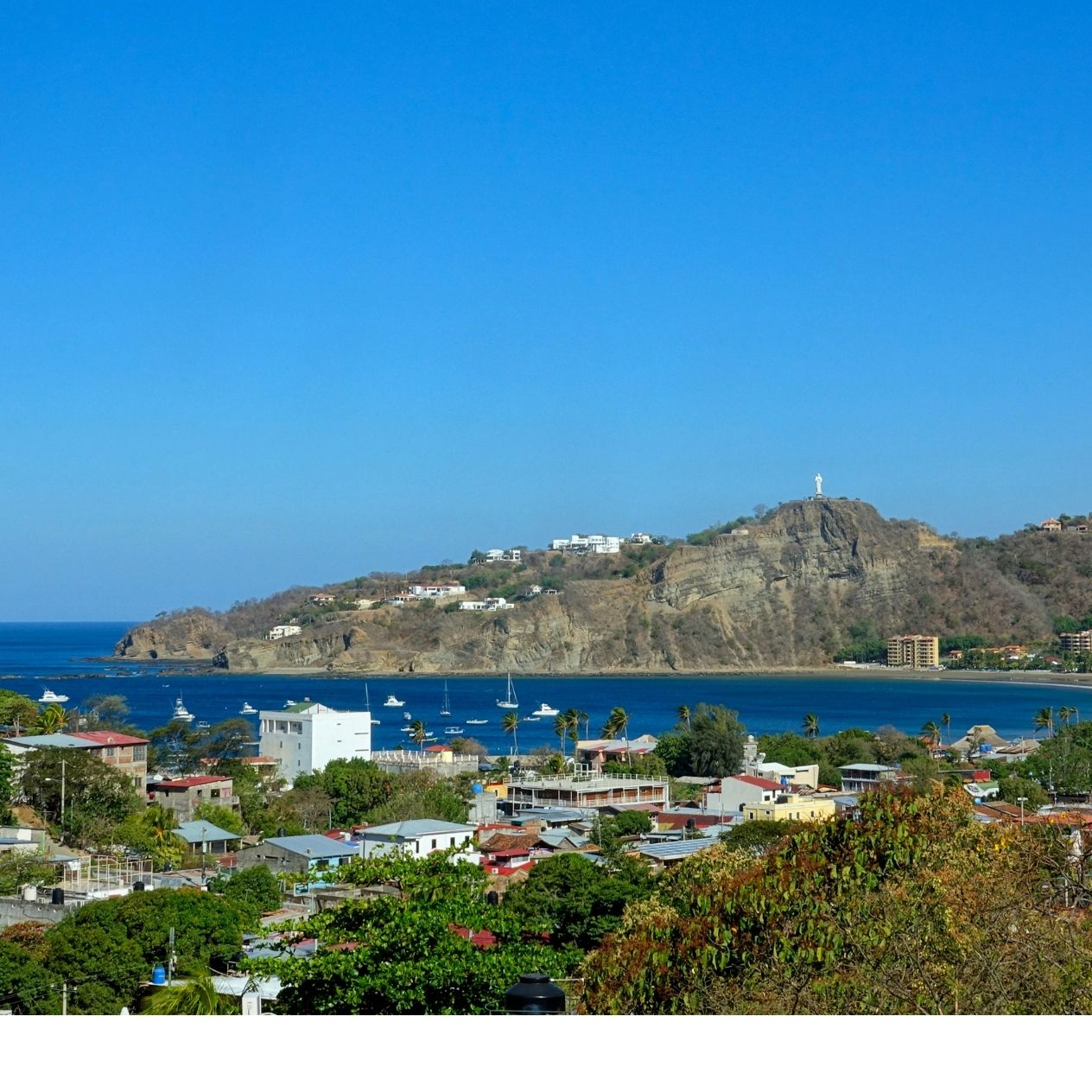
Both have coastlines on the Pacific and Caribbean with strong surf and calmer swimming spots. Costa Rica’s beach towns are more developed with resorts and restaurants nearby, while Nicaragua’s beaches, especially around San Juan del Sur, tend to be quieter and less crowded, appealing to travelers who prefer a simpler beach experience.
Is Costa Rica more touristy than Nicaragua?
Yes, Costa Rica receives roughly twice as many international visitors each year. Popular sites like Manuel Antonio and Arenal can feel busy during the December through April high season, while Nicaragua’s main attractions, including Granada’s colonial center and Ometepe Island, generally stay quieter even during peak months.
Which is better for a first trip to Central America?
Costa Rica’s established tourism infrastructure, wider network of guided tours, and more predictable logistics make it a common recommendation for first-time visitors to the region. Nicaragua rewards travelers comfortable with less structure and more independent planning, and often appeals more to experienced or budget-focused travelers.
Written by Sharon Henderson, founder of NicaSeeker, based in Nicaragua.
If Nicaragua wins out, see our Living in Nicaragua as an Expat guide for what comes next.