Simple Living in Nicaragua: A Different Kind of Wealth
Simple living in Nicaragua is not about having less ambition, less comfort, or less opportunity.
It is about noticing a different rhythm of life. For many foreigners arriving from the United Kingdom, New Zealand, Canada, the United States, or Europe, Nicaragua can challenge old ideas about success. The labels “developed” and “developing” do not explain how life actually feels on the ground.
Watch the Related Video
This short video shares the original perspective behind this article.
Key Takeaways
- Simple living in Nicaragua is less a fixed lifestyle and more a shift in perspective — finding wealth in time, family, and community rather than only speed and convenience.
- The pace of daily life is genuinely different, which can feel frustrating if approached as “Western speed at a lower cost,” or freeing if approached with patience.
- Family and community tend to feel more visible in daily life, though this varies significantly between Managua, coastal towns, and rural areas.
- Simplicity should not become romanticism — local costs, imported goods, and service reliability all require real, practical planning.
Last updated: July 2026
In many places, wealth is measured through speed, technology, convenience, property, brands, and constant access. Those things can be useful. They can also create pressure. A person can have faster apps, more services, and newer things, yet still feel rushed, tired, and disconnected from daily life.
Nicaragua does not remove every problem. No country does. But it can make some people rethink what they value most. For some families, retirees, remote workers, and long-term visitors, the real richness is not always found in more stuff. It may be found in time, family, nature, community, and space to breathe.
Why Foreigners Often Misread Wealth
Many newcomers first compare Nicaragua with the place they came from. They notice slower systems, fewer digital shortcuts, different service expectations, and a more personal way of getting things done. That comparison is understandable, but it can also be incomplete.
Convenience is only one type of value. A highly digital life can still feel heavy when every day is packed with bills, deadlines, traffic, notifications, and social pressure. A simpler daily routine can feel surprisingly rich when it gives you more time to cook, walk, talk, rest, or be with family.
This is where Simple living in Nicaragua becomes more than a lifestyle phrase. It becomes a practical lens. It asks a calm question: what does a good day actually look like?
1. Time Can Feel More Available
In many Western countries, modern life promises ease. Banking, shopping, communication, school forms, and work systems are often digital. Yet the pace can still feel faster every year. People are expected to answer quickly, plan tightly, and keep up with a long list of responsibilities.
Life in Nicaragua often moves differently. This does not mean every day is easy or relaxed. Appointments can shift. Errands may take longer. Weather, transport, power, internet, or paperwork can affect plans. Still, many people notice that the overall pace can leave more room for presence.
A morning may include coffee outside, a short talk with a neighbor, a walk to a local shop, or extra time with children before the day begins. These small moments may not look impressive online. In real life, they can change how a person feels.
The common mistake is expecting Nicaragua to provide Western speed at a lower cost. That mindset usually creates frustration. A better approach is to respect the local rhythm while staying organized for important tasks. Keep copies of key documents. Leave time for errands. Confirm details politely. Build patience into your week.
2. Family and Community Feel Tangible
People often say it takes a village to raise a family. In many busy places, that village can be hard to find. Parents may live far from relatives. Neighbors may barely know each other. Social life may depend on calendars, long drives, or expensive activities.
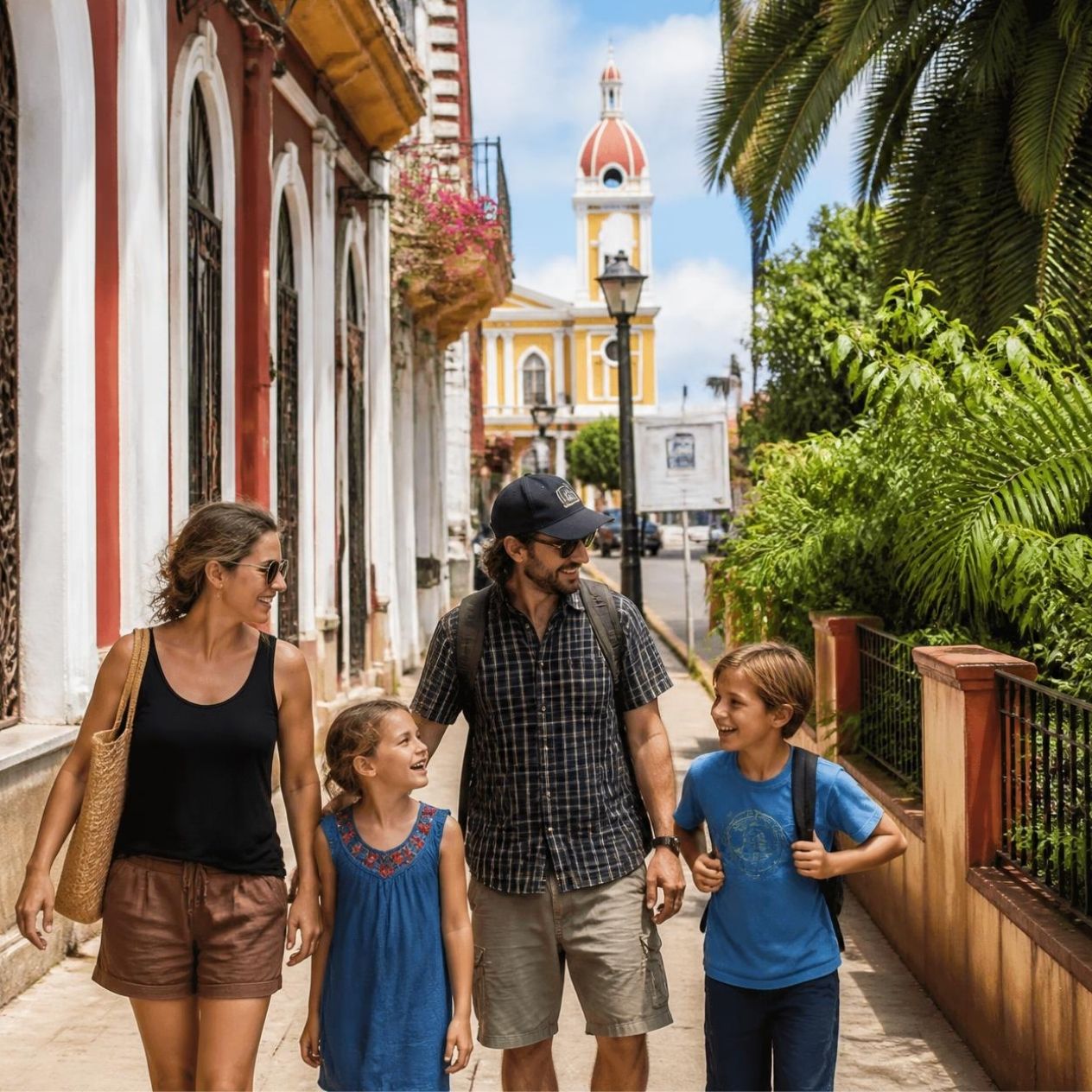
In Nicaragua, family and community can feel more visible in daily life. Children may spend more time around cousins, grandparents, neighbors, and local friends. Adults may gather in doorways, on sidewalks, at small shops, or during shared meals. Support often feels less like a scheduled event and more like part of the day.
This does not mean every community is the same. Managua, Granada, Leon, San Juan del Sur, Esteli, Matagalpa, and beach towns all have different rhythms. Rural areas can feel different again. Social life also depends on language, attitude, trust, and the time someone invests in local relationships.
For many households, Simple living in Nicaragua starts with humility.
For expats, the best first step is humility. Learn names. Greet people. Shop locally when it makes sense. Avoid treating community as a service you can simply buy. Relationships in Nicaragua often grow through consistency, respect, and showing up over time.
3. Simplicity Can Reduce Pressure
Simple living in Nicaragua often brings a quieter question: how much do I really need to live well?
In consumer-driven cultures, success is often displayed through houses, cars, clothing, gadgets, and upgrades. Nicaragua can soften that pressure. A person may find more satisfaction in second-hand clothes, a hammock, a home-cooked meal, a market visit, or time outside than in constant buying.
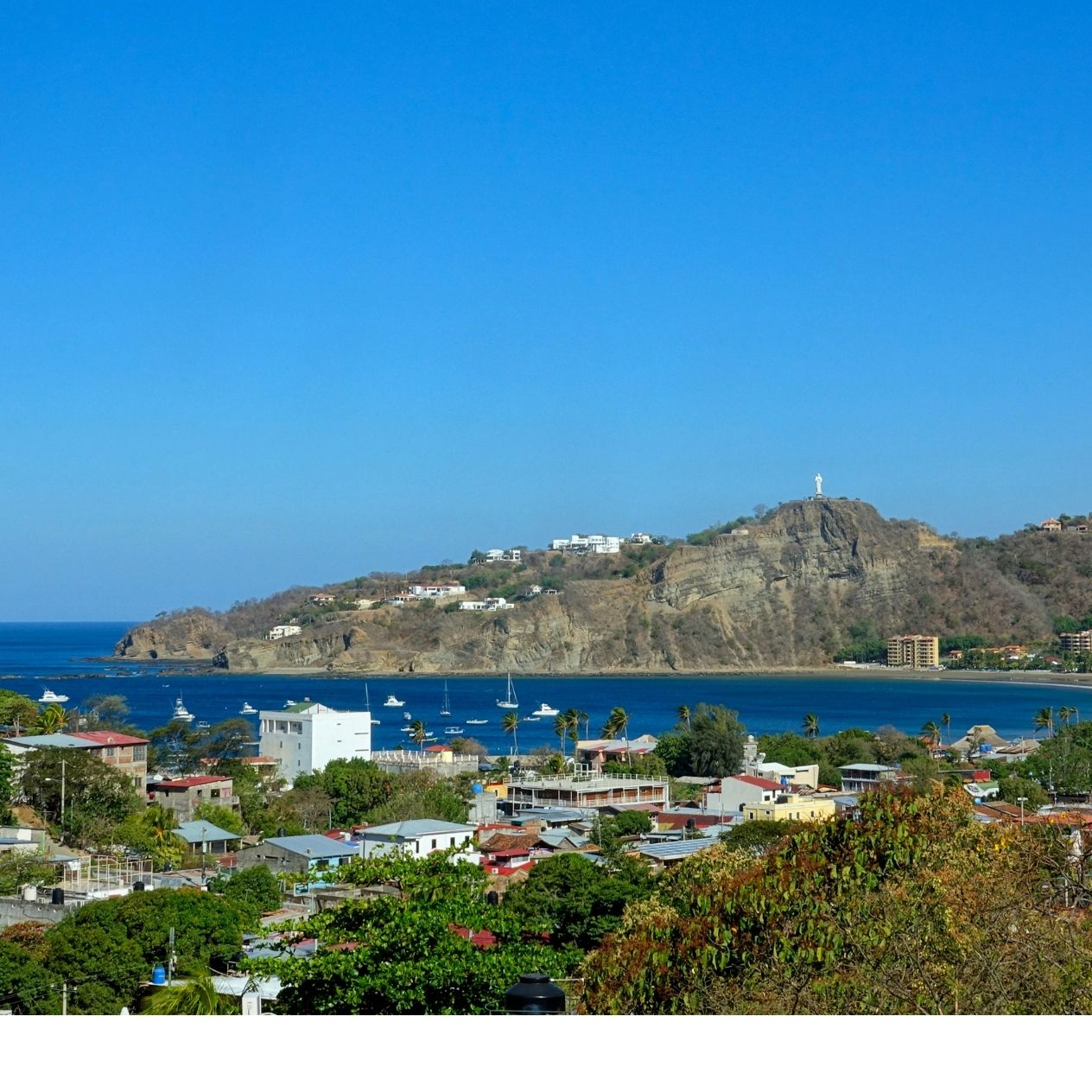
Nature also plays a role. Nicaragua has lakes, volcano views, beaches, farms, warm evenings, and green seasons that invite people outdoors. A simple afternoon can feel full without being expensive. For background on the country’s broader development context, the World Bank Group Nicaragua country page offers useful data and country information.
Still, simplicity should not become romanticism. Local families work hard. Costs vary by location. Imported goods can be expensive. Reliable services may require planning. Some comforts that foreigners take for granted may not be available in the same way. Respect means seeing both the beauty and the effort behind daily life.
What This Means for Expats and Long-Term Visitors
For people considering a move, simple living in Nicaragua should be explored with clear eyes. Visit more than once if possible. Stay in the area you are considering, not only the most polished tourist zone. Try ordinary routines. Buy groceries. Use local transport or taxis. Check internet reliability. Notice how you handle heat, rain, bugs, noise, and slower processes.
Also think about your own personality. Some people feel free when life is less structured. Others feel anxious without predictable systems. Neither reaction is wrong. The goal is not to force yourself into someone else’s dream. The goal is to understand whether Nicaragua fits your real needs, values, and responsibilities.
Families should think about schooling, healthcare access, community, language learning, and daily transport. Retirees may want to consider medical needs, banking habits, legal status, and proximity to trusted support. Remote workers should test internet options before making promises to clients or employers. Rules, fees, and processes may change, so verify official requirements before making major decisions.
Common Mistakes to Avoid
One mistake is assuming slower means worse. Sometimes slower means inefficient. Sometimes it simply means more human. Learning the difference takes time.
Another mistake is comparing every detail to home. Nicaragua is not trying to be a cheaper version of another country. It has its own culture, strengths, limits, and ways of doing things. The more a newcomer accepts that, the easier daily life becomes.
A third mistake is confusing simplicity with lack of preparation. A calm lifestyle still needs practical planning. Keep emergency funds. Understand your visa or residency situation. Know where to get medical care. Learn basic Spanish. Ask trusted local professionals before signing contracts, buying property, or making long-term commitments.
It also helps to follow local stories, guides, and practical updates through resources like NicaSeeker’s Nicaragua blog, especially when you are still learning how different parts of the country work.
A Richer Life Is Not Always a Louder Life
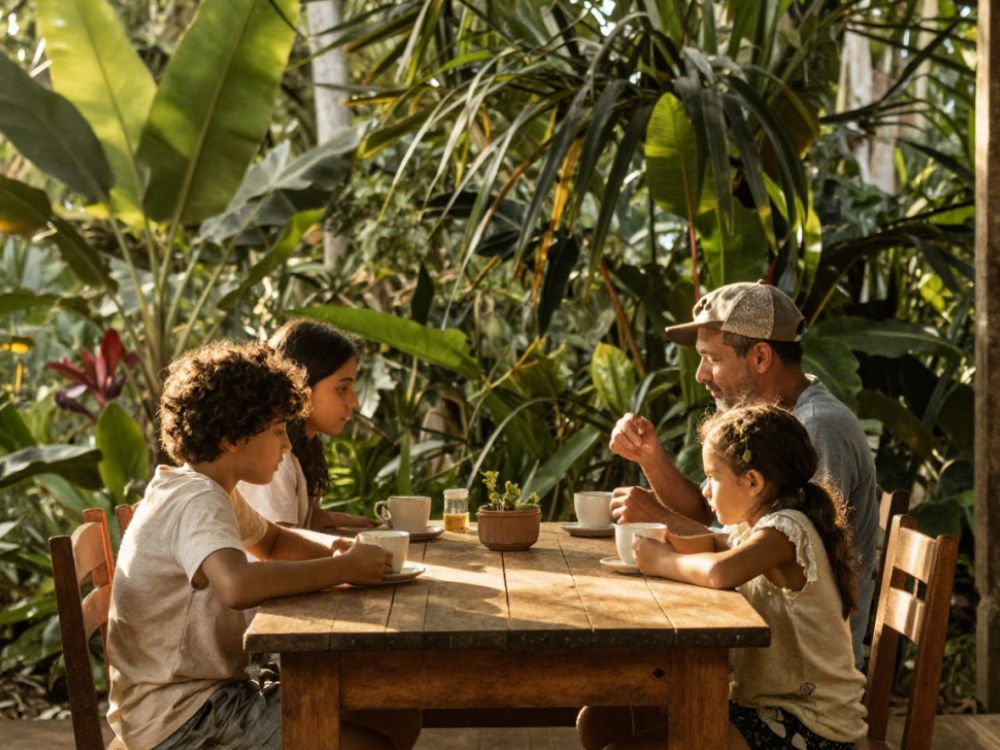
The strongest lesson from Simple living in Nicaragua is that wealth can be quiet. It can look like breakfast with your family, a slower morning, a neighbor who knows your name, or a day with enough space to enjoy what you already have.
That does not erase real challenges. Nicaragua requires patience, cultural respect, and practical awareness. But for people who are tired of constant pressure, it can offer a different way to measure success.
Done well, Simple living in Nicaragua is less about escape and more about alignment.
Before making a move, take your time. Visit with curiosity. Ask better questions. Watch how ordinary life feels, not just how vacation feels. When you are ready to keep learning, NicaSeeker can help you explore Nicaragua with a grounded view of daily life, local culture, and the practical choices that make a move feel more informed.
Frequently Asked Questions
What does simple living in Nicaragua actually mean?
It’s less a fixed lifestyle and more a shift in perspective — noticing that wealth can come from time, family, community, and space to breathe, rather than only speed, convenience, and constant access. It doesn’t mean giving up ambition or comfort, just questioning which things actually make a day feel good.
Is life in Nicaragua slower than in the US or Europe?
In many ways, yes, though it’s not simply slower in a bad sense. Appointments can shift, errands can take longer, and paperwork or weather can affect plans, but many people find the overall pace leaves more room for presence, family time, and small daily moments that get crowded out elsewhere.
What should I check before moving to Nicaragua for a simpler lifestyle?
Visit more than once if possible, and stay in the actual area you’re considering rather than only the polished tourist zone. Try ordinary routines like grocery shopping and local transport, test internet reliability if you’ll work remotely, and pay attention to how you personally handle heat, bugs, and slower processes.
Does simple living in Nicaragua mean giving up modern comforts?
Not necessarily, but it does mean recalibrating what convenience looks like. Reliable services may require more planning, imported goods can be expensive, and some comforts taken for granted elsewhere may not be available the same way. It’s about finding richness in what’s genuinely available, not pretending nothing changes.
What’s the biggest mistake newcomers make about simple living in Nicaragua?
Assuming Nicaragua should deliver Western-style speed at a lower cost is a common and frustrating mistake. Comparing every detail back to home, or confusing simplicity with a lack of practical preparation, like skipping research on visas, healthcare, or local professionals, are two other patterns worth watching for.
Written by Sharon Henderson, founder of NicaSeeker, based in Nicaragua.
For the practical side of the picture this article doesn’t cover, see our Living in Nicaragua as an Expat guide.