Nicaragua quality of life: 5 grounded lessons from daily living
Nicaragua quality of life often surprises people who arrive expecting a harder, slower, or less comfortable daily routine.
The original video shares a personal reaction from the writer, who has lived in the United Kingdom, New Zealand, and Nicaragua. The point is simple. Labels can be misleading. A country may be described one way from the outside, yet feel very different when you live ordinary days there.
This article keeps that same positive spirit. It does not claim every experience is the same. It looks at practical areas where many residents, visitors, and families notice Nicaragua’s strengths: care, schools, convenience, pace, and space to breathe.
Watch the short video
Key Takeaways
- Access to healthcare in Nicaragua often depends more on the specific provider, insurance, and urgency than on the country’s overall wealth label, and private clinics can offer surprisingly direct, fast care.
- Private and international schools often provide smaller class sizes and closer teacher contact, though costs and admissions vary widely by school.
- A slower pace of daily life reduces some conveniences but often increases relational, in-person interactions that many residents find reduces pressure rather than adding it.
- Judging quality of life by labels like “developed” or “developing” misses what actually matters day to day — time, health, connection, and space to breathe.
Last updated: July 2026
1. Healthcare may feel more direct than expected
Healthcare is one of the first areas where expectations can change. Many people assume larger or wealthier countries always mean faster access. In real life, access often depends on the system, the provider, the city, insurance, language, and urgency.
The video gives one personal comparison. The speaker describes waiting a long time for surgery abroad, then finding specialist care in Nicaragua within a much shorter period. That does not mean every case moves quickly. It does show why some newcomers are pleasantly surprised by private clinics, specialist appointments, and the human scale of care in places like Managua.
Healthcare and Nicaragua quality of life are closely connected for retirees, families, and long-term visitors. A calmer experience starts with preparation. Bring medical records. Ask clear questions. Confirm credentials. Understand costs before treatment. Check whether your insurance applies locally. For major decisions, speak with a qualified medical professional.
Rules, prices, availability, and appointment times can change. Still, many residents value the ability to speak directly with providers, compare options, and make decisions without feeling lost in a large system.
2. Schools can feel more personal
Education is another area where daily life may feel different. The video contrasts large classrooms and screen-heavy routines abroad with smaller, more personal school settings in Nicaragua. Families who move here often look for that kind of balance.
Some private and international schools in Nicaragua may offer smaller class sizes, closer teacher contact, bilingual environments, and a stronger sense of community. Costs vary widely by school, grade level, location, and services. Admissions rules, fees, uniforms, transport, and calendars can also change. Parents should contact schools directly before making plans.
Schools can shape Nicaragua quality of life because children settle faster when routines feel friendly and clear. A good next step is to visit schools in person when possible. Ask about class size, accreditation, language support, homework expectations, technology use, sports, arts, and parent communication.
It also helps to ask other families about the daily routine. How long is the commute? Are lunches included? Do children make friends easily? Are teachers accessible? These small details often matter more than a glossy brochure.
3. Convenience is not always the same as ease
Modern life often sells convenience as the goal. More apps, faster shopping, more delivery, more screens, and constant traffic can look efficient. Yet many people find that this kind of convenience creates pressure.
Nicaragua offers a different lesson. Not everything is instant, and that can be healthy. You may shop more locally. You may talk to a person instead of a chatbot. You may learn the name of the person who sells your fruit, repairs your car, or helps with a home service. Daily errands can become more relational.
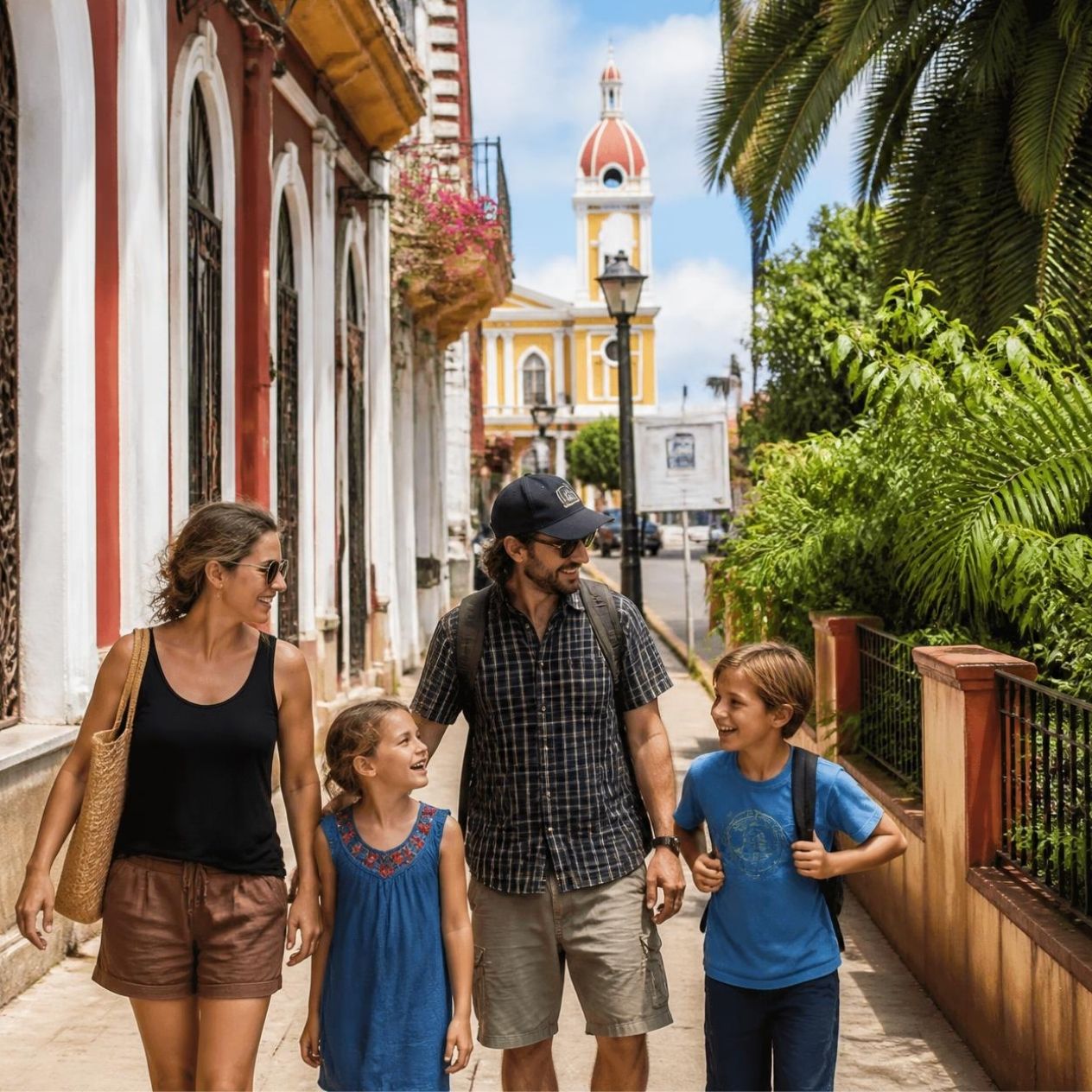
Convenience and Nicaragua quality of life meet in simple routines. A family might buy fresh produce at a market, visit a neighborhood bakery, and spend the evening outside instead of rushing through a packed schedule. A retiree may enjoy having time for coffee, conversation, and a walk. A business owner may discover that trust and consistency matter as much as speed.
This does not mean everything is easy. Patience helps. Spanish helps. Local advice helps. Some services may take longer than expected. Internet quality, office hours, payment methods, and transport can vary by area. But the slower rhythm can also reduce noise and make room for daily connection.
4. The real measure is daily well-being
The video makes an important point. “First world” and “third world” are not useful measuring sticks for a person’s whole life. They can hide the real questions. Do you feel healthy? Do you have time? Can you rest? Can your children learn well? Can you build friendships? Can you breathe deeply?
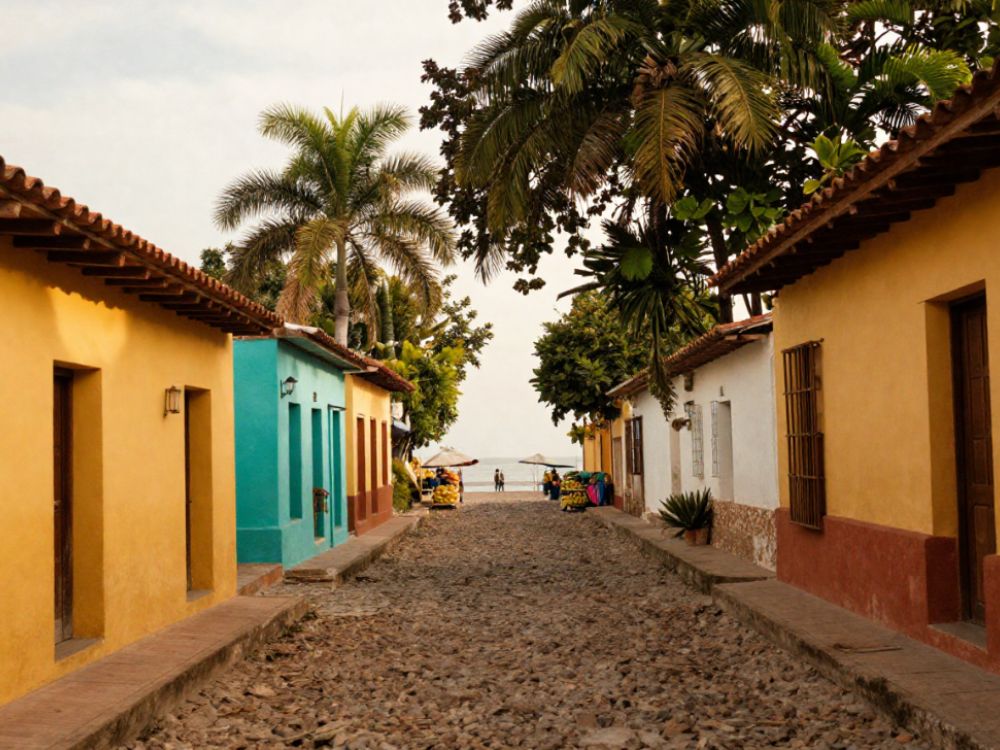
A better way to understand Nicaragua quality of life is to look at daily well-being. Nicaragua has warm communities, strong family culture, natural beauty, fresh food, and many places where life feels close to the land. People may spend more time outdoors. They may feel less tied to constant consumption. They may notice that simple routines carry more value than expected.
Visitors can explore official destination information through the Nicaraguan Tourism Institute, which is a helpful starting point for understanding the country’s tourism identity, destinations, and cultural richness.
5. Preparation makes the positive side easier to enjoy
A positive move or long stay still needs planning. Nicaragua rewards people who arrive with respect, patience, and realistic expectations. It is wise to research neighborhoods, healthcare options, schools, transport, banking, residency, insurance, and internet before making big commitments.
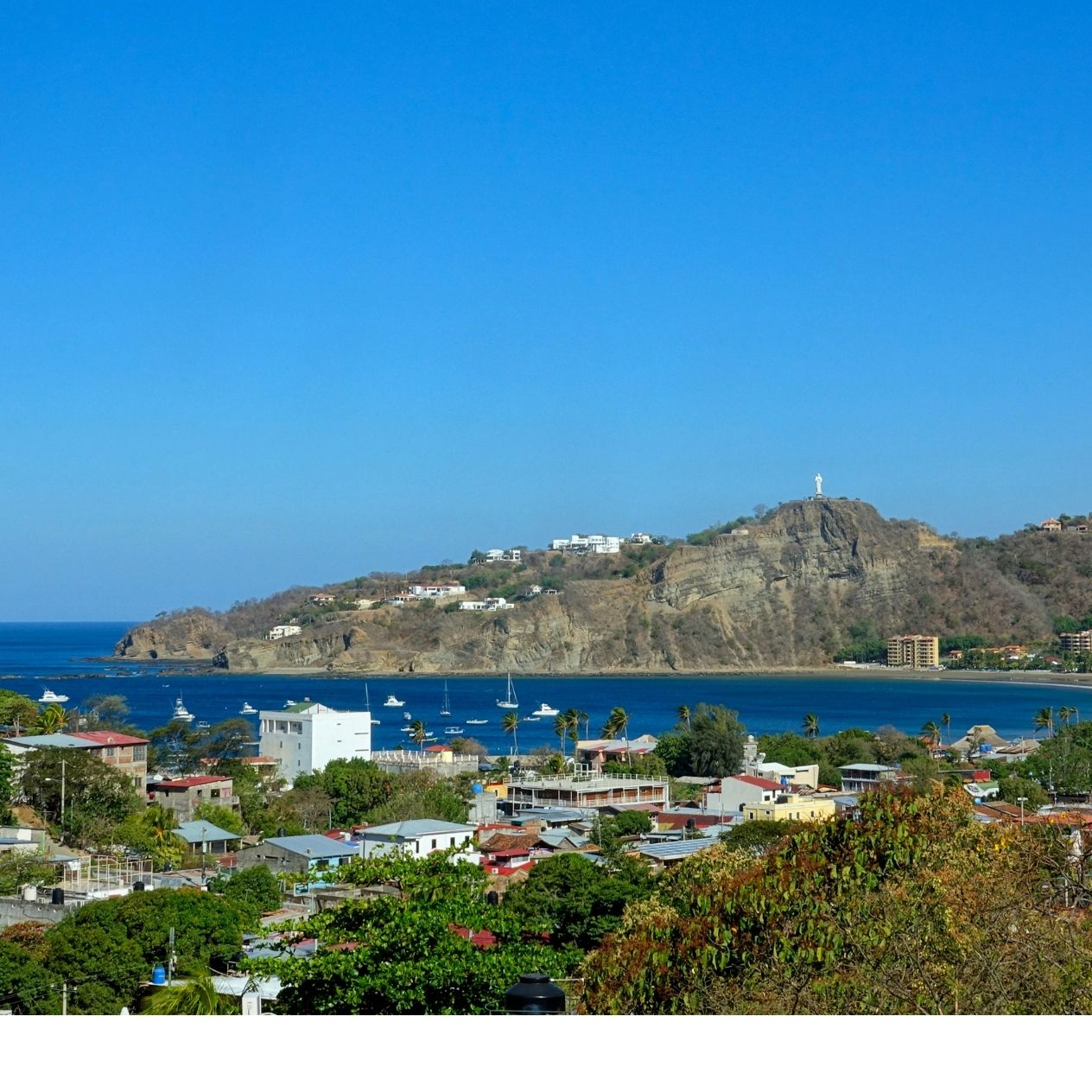
Do not assume one city represents the whole country. Managua, Granada, Leon, San Juan del Sur, Esteli, Matagalpa, and smaller towns each have different rhythms. Coastal life feels different from mountain life. City convenience feels different from rural quiet. The best fit depends on your work, family, budget, language level, and comfort with local systems.
Common mistakes include judging too quickly, relying on one person’s experience, expecting every process to match home, or skipping local guidance. A better approach is simple. Visit first. Ask respectful questions. Keep documents organized. Learn basic Spanish. Build relationships slowly. Verify legal, tax, medical, and property matters with qualified professionals or the relevant authority.
For newcomers, Nicaragua quality of life improves when expectations become practical. The goal is not to recreate another country. The goal is to understand Nicaragua on its own terms and enjoy the parts of daily life that feel calmer, warmer, and more human.
A grounded takeaway
The video’s message is not that Nicaragua is perfect. No country is. The message is that Nicaragua can surprise people in generous ways. Healthcare may feel more accessible in certain private settings. Schools may feel more personal. Daily routines may feel less rushed. Community may feel closer. The pace may create room to think, connect, and breathe.
That is a valuable reminder for expats, visitors, retirees, families, and investors. Look beyond labels. Pay attention to lived experience. Compare what really matters: time, health, learning, connection, nature, and peace of mind.
Frequently Asked Questions
Is healthcare better in Nicaragua than people expect?
Often, yes, particularly in private clinics and specialist care in cities like Managua. Access depends heavily on the specific provider, insurance, and urgency rather than the country’s overall wealth label, and many newcomers are pleasantly surprised by shorter wait times and more direct communication with providers than they expected.
Are Nicaragua’s private schools worth considering for expat families?
Many private and international schools offer smaller class sizes, closer teacher contact, and bilingual environments that some families find more personal than larger schools abroad. Costs and admissions rules vary widely by school, so visiting in person and asking about accreditation, class size, and daily routines is worth doing before enrolling.
Does life feel less convenient in Nicaragua?
Some conveniences taken for granted elsewhere, like instant delivery or chatbot support, are less common, and daily errands often involve more in-person, relational interactions instead. Many residents find this trade-off reduces pressure rather than adding it, though patience, basic Spanish, and realistic expectations about timing all help.
How do I know if Nicaragua’s quality of life is right for me?
It depends on what you personally value day to day — time, health, community, and space to breathe matter more than labels like “developed” or “developing.” Visiting first, spending time in the specific area you’re considering, and being honest about your own comfort with a slower pace all help clarify the fit.
What’s the biggest mistake people make when judging quality of life in Nicaragua?
Judging too quickly, relying on a single person’s experience, or expecting every process to match home are common mistakes. Nicaragua isn’t trying to be a cheaper version of another country, and quality of life improves once expectations become practical rather than based on comparisons to a different system entirely.
Written by Sharon Henderson, founder of NicaSeeker, based in Nicaragua.
For the practical side of the picture this article doesn’t cover, see our Living in Nicaragua as an Expat guide.
NicaSeeker is here to help you explore those details with clarity and respect. For more practical guides, local insights, and grounded relocation topics, visit the NicaSeeker blog and keep learning before your next step in Nicaragua.