Digital Nomads in Nicaragua: A Practical Remote Work Guide
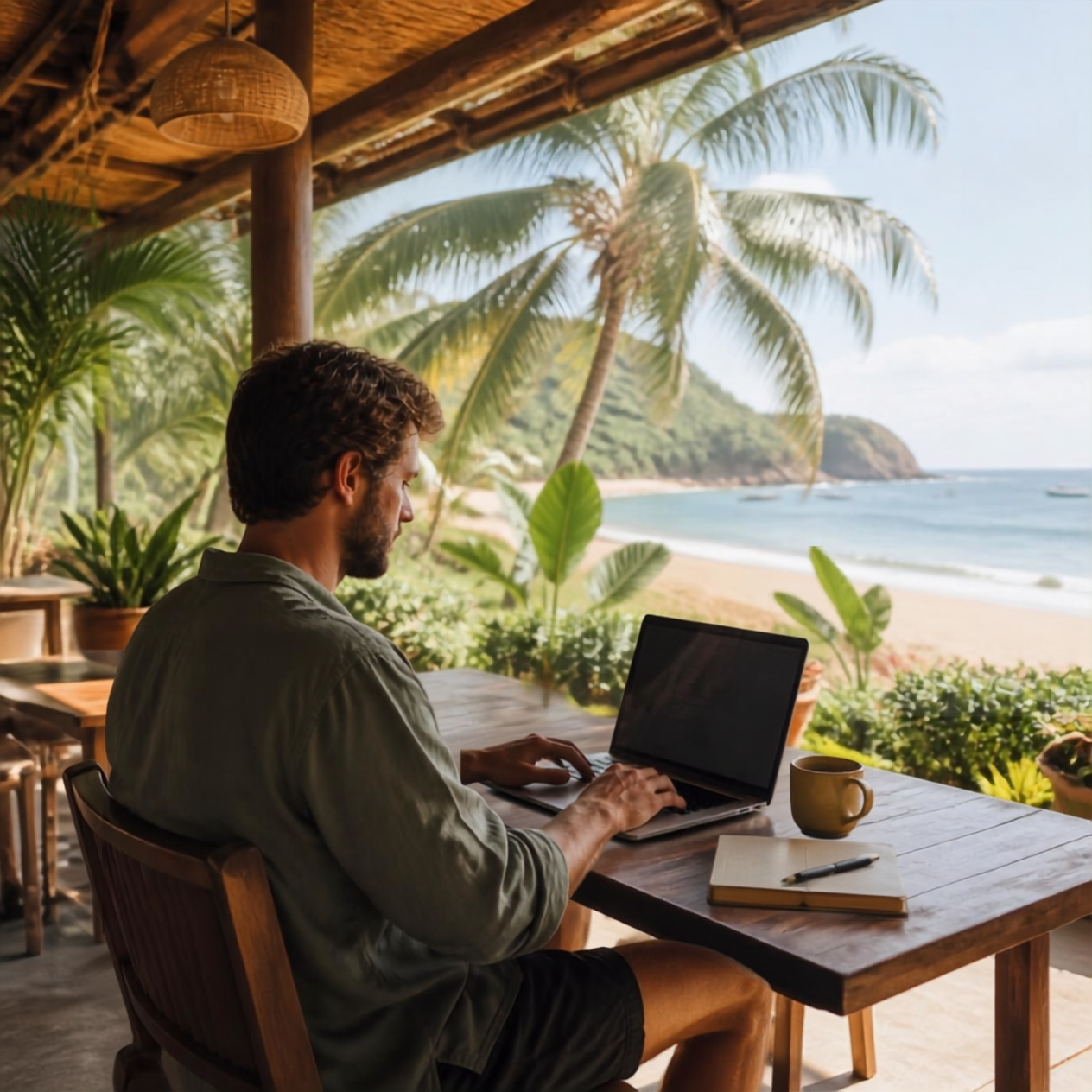
Digital Nomads in Nicaragua are a small but growing group, drawn by a low cost of living, warm weather, and a slower pace that suits people who can work from anywhere. Nicaragua isn’t the most established digital nomad destination in Central America, but for the right person, it can work very well.
Key Takeaways
- Nicaragua does not currently have a dedicated digital nomad visa; most remote workers rely on tourist status, residency categories, or professional immigration advice.
- San Juan del Sur has a small but real coworking scene, though it has changed recently as specific venues have opened, closed, or relocated.
- Internet reliability varies significantly by provider and location, though fiber options are expanding along the Costanera highway and competition beyond Tigo and Claro is growing.
- Nicaragua suits digital nomads who value a slower pace and lower costs over the dense expat and coworking infrastructure found in Costa Rica or Mexico.
Last updated: September 2026
Is Nicaragua a Good Fit for Digital Nomads?
Nicaragua isn’t for everyone working remotely. It suits people who prioritize a lower cost of living and a genuinely quieter pace of life over a dense, ready-made digital nomad community. For a broader look at what daily budgeting looks like here, see our Cost of Living in Nicaragua guide.
Compared to more established nomad hubs in the region, Nicaragua has fewer coworking spaces, less consistent infrastructure, and a smaller support network of fellow remote workers. In exchange, costs tend to be lower and towns like San Juan del Sur offer a more relaxed, less crowded version of coastal expat life.
Where Digital Nomads Tend to Base Themselves
San Juan del Sur is the most common base for digital nomads in Nicaragua, thanks to its beach access, small but active expat community, and plenty of cafes and coworking-style spaces. Granada and León also attract some remote workers, particularly those who prefer a more urban, colonial-town setting over coastal life.
Within San Juan del Sur specifically, the coworking scene has shifted over time as individual venues have opened, closed, or moved locations. The section below covers what’s currently available in more detail.
Internet and Connectivity: Plan for Variability
Reliable internet is the single biggest practical concern for most digital nomads considering Nicaragua. Speed and consistency vary significantly by provider, town, and even specific street, and service quality can change over time as infrastructure projects and provider competition shift.
The good news is that options are genuinely improving. Fiber optic internet is expanding along the new Costanera highway corridor, and digital nomads are no longer limited to the long-standing duopoly of Tigo and Claro. For a detailed, provider-by-provider comparison, see our Nicaragua Internet Providers guide.
As a general practice, most experienced remote workers in Nicaragua keep a mobile data plan or portable hotspot as a backup, rather than relying on a single fixed connection for anything time-sensitive like video calls or deadline-driven work. For official coverage information, Nicaragua’s telecommunications regulator, TELCOR, publishes network coverage data that can help with planning before choosing a base.
Coworking and Community Options
Nicaragua’s coworking scene is small compared to more established nomad destinations, and it can change from year to year as specific cafes or spaces open and close.
In San Juan del Sur, there is currently a coworking space directly opposite Casa Oro, worth checking out in person for current pricing and availability. The Space also offers a coworking setup, as does Ride Nature cafe, which is known for particularly strong Wi-Fi. Ding Repair Cafe previously offered a dedicated coworking area as well, but since relocating to a new location opposite Main Beach, that setup is no longer available there. Because small local businesses change offerings fairly often, it’s worth confirming current coworking options directly rather than relying solely on older online listings.
In the absence of a large dedicated coworking culture, many digital nomads in Nicaragua end up working from cafes with reliable Wi-Fi, or from their own accommodation, supplementing with occasional coworking days when they need a change of environment or better connectivity.
Visa and Immigration Considerations
Nicaragua does not currently offer a dedicated digital nomad visa. Most remote workers stay under tourist status for shorter visits, or explore Rentista or Pensionado residency categories for longer stays, depending on their income situation and long-term plans. Immigration rules in Nicaragua changed significantly in 2026, and some previously available categories have been affected. For current, detailed guidance, see our Nicaragua Immigration guide, and confirm your specific situation with Nicaragua’s immigration authority or a licensed immigration attorney before making firm plans.
Working remotely for foreign clients while on tourist status is common in practice among digital nomads globally, but it exists in a legal gray area in many countries, including Nicaragua. If you plan to stay long-term, it’s worth getting professional advice on how your specific work setup interacts with your immigration status.
Power and Backup Planning
Power outages happen periodically in Nicaragua, including in popular expat towns, and they can disrupt work at inconvenient times. Many long-term remote workers keep a small backup battery or power bank charged for laptops and phones, and some invest in a more substantial backup power system if their work genuinely cannot tolerate interruptions. Planning for this in advance is far less stressful than discovering the gap during an actual outage.
Common Mistakes Digital Nomads Make in Nicaragua
- Assuming online reviews and listings for coworking spaces or cafes are current, rather than confirming details in person or by phone first.
- Relying on a single internet connection with no backup plan for calls or deadline-sensitive work.
- Overlooking immigration status questions until a visa or residency issue becomes urgent.
- Choosing a base purely on cost without visiting first to confirm the internet, noise levels, and community fit actually work for daily life.
Getting Started: A Practical Approach
Anyone seriously considering Nicaragua as a digital nomad base should start with a shorter trial stay, ideally four to six weeks, before committing to anything longer-term. Test your actual internet needs against what’s realistically available in your chosen town, confirm coworking or cafe options in person, and speak with an immigration professional early if you expect to stay more than a few months.
For newcomers weighing Nicaragua more broadly against everyday costs and lifestyle questions beyond remote work specifically, our Living in Nicaragua as an Expat guide covers the wider picture.
Frequently Asked Questions
Does Nicaragua have a digital nomad visa?
No, Nicaragua does not currently offer a dedicated digital nomad visa category. Most remote workers rely on tourist status for shorter stays or explore Rentista or Pensionado residency options for longer-term plans, and it’s worth getting professional immigration advice given how rules have changed recently.
Is the internet reliable enough for remote work in Nicaragua?
It varies significantly by provider, town, and even specific location, though fiber options are expanding and competition beyond Tigo and Claro is growing. Most experienced digital nomads still keep a mobile data backup for anything time-sensitive, like video calls, rather than depending entirely on one fixed connection.
Where do most digital nomads live in Nicaragua?
San Juan del Sur is the most common base, thanks to beach access and a small expat community, though Granada and León also attract some remote workers who prefer a colonial-town setting. Coworking and cafe options change over time, so it’s worth confirming current availability directly.
Are there coworking spaces in San Juan del Sur?
Yes, though specific options shift over time. Current spaces include one opposite Casa Oro, The Space, and Ride Nature cafe, known for strong Wi-Fi. Ding Repair Cafe previously offered coworking as well, but that’s no longer available since its move to a new location opposite Main Beach.
Can I work remotely in Nicaragua on a tourist visa?
Many digital nomads globally work remotely for foreign clients while on tourist status, and this is common in practice, but it exists in a legal gray area in most countries, including Nicaragua. Anyone planning a longer stay should confirm their specific situation with a licensed immigration professional.
Written by Sharon Henderson, founder of NicaSeeker, based in Nicaragua.
Thinking about basing yourself in Nicaragua for remote work? Drop me a line — I’m always happy to share what’s actually changed on the ground lately, beyond what’s still floating around in outdated forum posts.