Property Registration in Nicaragua: What You Need to Know
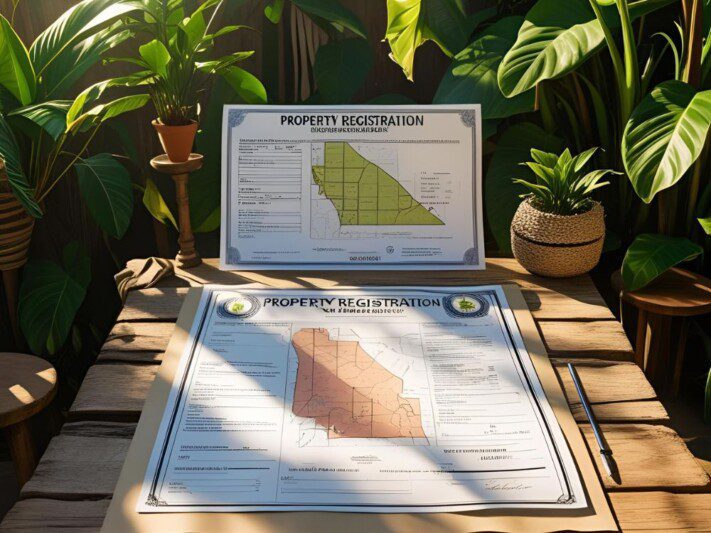
When it comes to property registration in Nicaragua, the process should not take longer than a year at the very most. If your registration is dragging on longer than this, something isn’t right. Many property buyers get confused — thinking that signing the deed means you own the property. However, it does not mean your property is fully registered. There’s an entire administrative process behind registration that many expats are not aware of. More importantly still, if even one step fails, your registration cannot progress.
Key Takeaways
- Property registration in Nicaragua should take no more than a year — signing the deed alone does not mean the property is fully registered.
- INETER map approval, the first step after signing, is valid for only one month before requiring renewal and repayment.
- The cadastral certificate is valid for three months, and DGI valuation must be paid by its deadline, or the process restarts.
- Expired documents at any step are the most common reason registrations stall for months, so tracking deadlines closely matters.
Last updated: July 2026
Why Property Registration in Nicaragua Matters
Registering your property officially records your ownership with the government. This protects you legally and ensures your title is recognized. Without registration, your ownership isn’t fully secured — which can cause legal headaches later.
How Property Registration in Nicaragua Works
The registration process involves multiple key steps. Here’s a breakdown:
Map Approval
After signing the deed, the first step is INETER map approval. The INETER map, or “Catastro Fisico,” is a government-managed cadastral system in Nicaragua overseen by the Instituto Nicaraguense de Estudios Territoriales (INETER). This system provides detailed geographic and legal information about land parcels across the country, serving as a critical tool for property registration and land administration. This is critical because your property’s boundaries must be officially approved. You can access the INETER map and related cadastral services through the official INETER portal.
And here’s the really important part: the approval is valid for only one month. If you miss this window, you must renew the approval and pay the fees again!
Cadastral Certificate
This certificate is like a “geographic ID” for your land. It precisely documents your property’s location and dimensions. The certificate is valid for three months — so again, timing is crucial to avoid expiration and reapplication.
Property Valuation by DGI
The General Directorate of Internal Revenue (DGI) performs a property valuation. You must pay taxes based on this valuation by the deadline. Missing this payment means restarting the process, adding more time and cost.
Public Registry Submission
Only after completing the previous steps can you submit your deed and documents to the Public Registry. You pay a registration fee, and then your property is officially registered. This final step legally confirms your ownership.
Expiring Documents Can Be a Hidden Problem
Many people don’t realize documents like the map approval and cadastral certificate expire within a short period of time. If any document expires before the next step, the whole registration process gets delayed. This explains why registrations can stall for months.
How to Know If Your Property Has a Legitimate Title
This is especially important for foreign buyers. You want to avoid risky purchases where the title is unclear or fraudulent.
- Get a 30-year Property Registry Certificate to verify long-term ownership.
- Confirm the lot matches the INETER map to ensure accurate boundaries.
- Request a full title study from a trusted legal expert.
- Check that the tax status on the property is clear and up to date.
Very important: never sign or pay anything until you have verified and documented all of these details.
If You’re Experiencing Delays
If your property registration process is taking an inordinate amount of time, one or more steps have most likely not been completed. Missing document renewals, unpaid fees, or incorrect submissions are common culprits. Address these immediately by consulting a legal expert.
For professional help with your property paperwork and legal ownership, visit our Legal Services category where you can find trusted advisors who specialize in Nicaraguan property laws. For the broader decision of renting versus buying before you even reach this stage, see our Nicaragua Property Guide.
Protect Your Investment with Due Diligence
If your legal title is not in order, then it doesn’t matter what the value of your property might be — no one is going to want to purchase it! So it’s vital that you conduct thorough due diligence before you pay a cent.
Learn more about Nicaragua’s property laws and the registration process from the official Public Property Registry (Registro Publico de la Propiedad). This will help you understand local regulations better.
Final Thoughts
Property registration in Nicaragua can seem complex, but knowing these steps and common pitfalls will save you time and money. Keep track of document deadlines, consult legal experts, and verify everything before signing.
Frequently Asked Questions
How long does property registration take in Nicaragua?
The process should not take longer than a year at the most. If registration is dragging on beyond that, something has likely gone wrong at one of the earlier steps. Signing the deed does not mean the property is registered; a full administrative process, including map approval and DGI valuation, has to complete first.
What is the INETER map approval?
INETER map approval, also called Catastro Fisico, is the first step after signing the deed. It’s a government-managed cadastral system that officially confirms your property’s boundaries. The approval is valid for only one month, so missing that window means renewing the approval and paying the fees again.
What happens if my property documents expire during registration?
If a document like the map approval or cadastral certificate expires before the next step is completed, the registration process gets delayed and the expired document typically needs to be renewed and paid for again. This is one of the most common reasons registrations stall for months.
How do I verify a property title is legitimate in Nicaragua?
Get a 30-year Property Registry Certificate to verify long-term ownership, confirm the lot matches the official INETER map, request a full title study from a trusted legal expert, and check that the property’s tax status is clear and current. Never sign or pay anything until all of these are verified.
What is a Property Registry Certificate?
A Property Registry Certificate documents a property’s registered ownership history, typically covering a set period such as 30 years, to confirm long-term legitimate ownership. It’s one of the key checks recommended before purchasing, alongside a title study and confirming boundaries match the official INETER map.
Written by Sharon Henderson, founder of NicaSeeker, based in Nicaragua.
Registration is the last step in the property process — see our Living in Nicaragua as an Expat guide for the bigger picture.
Ready to secure your piece of paradise? Check out what Nicaragua has to offer!