Living in Nicaragua as an Expat: The Complete Guide
Living in Nicaragua as an expat means trading a familiar system for a slower pace, a lower cost base, and a country where daily life still runs partly on relationships and word of mouth rather than an app. It suits some people completely and doesn’t suit others at all — this guide pulls together everything else on NicaSeeker into one starting point, so you can see the whole picture before diving into any single topic.
Key Takeaways
- Comfortable single-person budgets generally run $800–$1,500/month, and couples who own their home outright often report $1,000–$2,500, though this varies by town and lifestyle.
- Nicaragua’s visa and residency rules changed significantly in 2026 — Category C nationals now need prior authorization, and the Rentista category is reportedly no longer open to new applicants.
- Private healthcare, especially in Managua, is often better than newcomers expect, with many reporting shorter waits and more direct provider access than at home.
- Granada, San Juan del Sur, Leon, and Managua each offer meaningfully different paces of life and climates — there’s no single “best” town, only the best fit for your specific needs.
Last updated: July 2026
Who Nicaragua Actually Suits
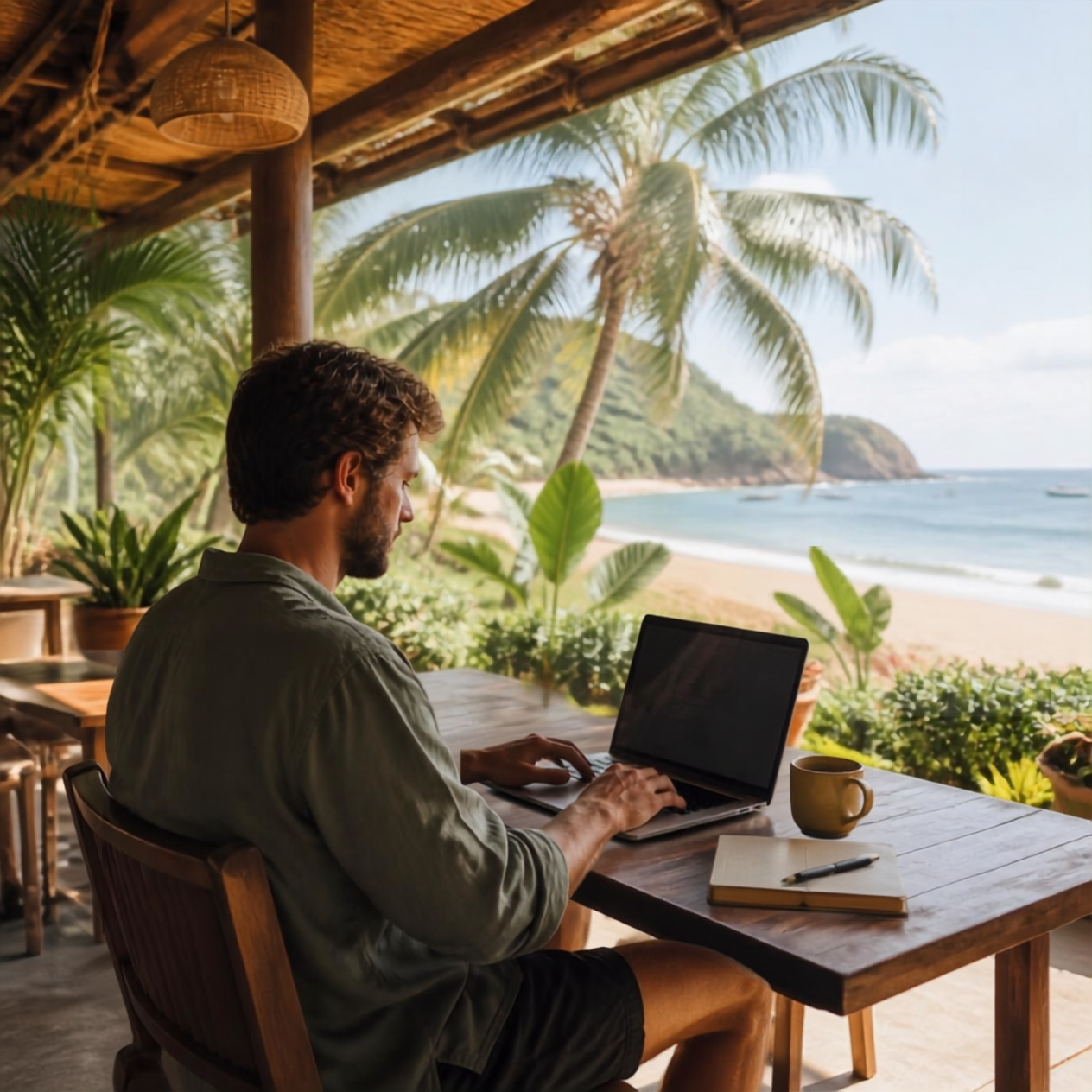
People who do well living in Nicaragua as an expat tend to share a few traits: comfort with some infrastructure unpredictability, no need for a large expat social scene to feel settled, and a move toward a specific lifestyle — lower cost, warm climate, slower rhythm — rather than away from a problem at home. Families, retirees, remote workers, and small business owners all show up in the mix.
The common thread is realistic expectations going in, which is exactly what the rest of this guide is designed to help with.
What It Costs to Live Here
Budget is usually the first question anyone considering the move asks. General figures: comfortable single-person budgets generally run $800 to $1,500 a month, and couples who own their home outright often report $1,000 to $2,500. Owning rather than renting is typically the single biggest lever on monthly spending.
For a full breakdown of housing, food, utilities, and transport costs, see our Cost of Living in Nicaragua guide. If you’re still deciding between countries, our Nicaragua vs Costa Rica comparison lays out the cost and lifestyle differences directly.
Visas, Residency, and the 2026 Rule Changes
This is the area that has changed the most recently, and it’s worth understanding before anything else. In February 2026, Nicaragua’s Ministry of the Interior reclassified visa categories for over 120 countries, moving many nationalities into a new “Category C” that requires prior authorization before travel rather than the old visa-on-arrival system.
Separately, the Rentista residency category is reportedly no longer open to new applicants as of mid-2026, based on direct experience rather than a confirmed official announcement. Our Nicaragua Immigration guide covers the full, current picture, including Pensionado and Rentista requirements, border-run rules, and what Category C nationals need to know.
If retirement is specifically your plan, our Retiring in Nicaragua guide goes deeper on residency income requirements and retiree-specific budgeting.
Healthcare
Healthcare access is often better than newcomers expect, particularly in private clinics and specialist care in Managua, though routine and emergency care is generally available locally in expat towns like San Juan del Sur. Many residents combine local care with international or medical evacuation insurance for anything serious. Our Healthcare in Nicaragua for Expats guide and Health Insurance Nicaragua guide cover specific hospitals, costs, and insurance options in detail.
Housing and Property
Most expats rent for six to twelve months before buying, which gives real time to get a really good feel for a specific neighborhood rather than just a town. Foreigners have the same property ownership rights as Nicaraguan citizens, with one key exception: land within 5km of a border or coastline generally requires a Nicaraguan citizen or legal entity as the buyer. Our Nicaragua Property Guide covers the full renting-versus-buying decision, and our Property Registration guide walks through what happens after you close.
Working, Hiring Help, and Banking
Entry permission and work authorization are separate things in Nicaragua — a tourist visa doesn’t permit paid employment or business activity. If you’re planning to work, run a business, or hire household help, three of our guides cover the practical side: Working Legally in Nicaragua for your own status, Hiring Workers in Nicaragua for employer obligations if you hire a housekeeper or gardener, and our Nicaraguan Bank Account Guide for opening an account as a visa holder or resident.
Getting Around and Staying Connected
Most expats rely on a mix of local driving, rideshare apps (in larger cities like Managua), and shuttle services between towns. Our Foreigner Driver License guide covers the process for driving legally long-term, and our Getting Around Nicaragua guide covers rideshare and navigation apps plus eSIM options for staying connected. For home internet specifically, especially if you’re working remotely, see our Nicaragua Internet Providers guide.
Schools and Family Life
Public education is free and compulsory from ages 6 to 15 for Nicaraguense, though most expat families choose private or international schools for smaller class sizes and English-language instruction — or they home school. Our Nicaraguan Education System guide covers specific schools, tuition ranges, and what to ask before enrolling.
Is It Safe?
Nicaragua is generally considered one of the safer countries in Central America, with most expats reporting that normal daily-life precautions are enough in towns like San Juan del Sur, Granada, and Leon. There have been reports that an increased police presence in Managua has made Nicaragua’s capital a much safer city too. Our Is Nicaragua Safe? Guide covers this in more detail, including the current official travel advisory level.
Daily Life and Mindset
The biggest adjustment for most newcomers isn’t any single logistical hurdle — it’s the pace. Life here often moves at a different speed than what many expats are used to, and the people who thrive tend to embrace that rather than fight it. Our Simple Living in Nicaragua and Nicaragua Quality of Life guides go deeper on what daily experiences here actually feel like, beyond the practical checklists.
Common Mistakes First-Time Movers Make
- Committing to a long lease or property purchase before spending real time in the specific neighborhood, not just the town.
- Assuming old visa or residency rules still apply without checking the 2026 changes specifically.
- Underestimating how much daily life still runs through relationships and word of mouth rather than searchable listings.
- Skipping professional legal or immigration advice in favor of secondhand forum accounts.
Next Steps
A short look-see trip — ideally two to four weeks, split across more than one town — tells most people more than months of online research. From there: confirm your current visa/residency category, build a written budget based on your specific housing and healthcare needs, and talk to a licensed professional before making any commitments. For general country context beyond what’s covered here, the U.S. Department of State’s Nicaragua country page is a useful starting reference.
Frequently Asked Questions
How much does it cost to live in Nicaragua as an expat?
Comfortable single-person budgets generally run $800 to $1,500 a month, and couples who own their home outright often report $1,000 to $2,500, though this varies significantly by town, housing choice, and lifestyle. You’ll pay more in tourist towns like San Juan del Sur than, for example, further up North in Matagalpa. Renting before buying and building a real, town-specific budget beats relying on a single national average.
Do I need a visa to move to Nicaragua as an expat?
As of 2026, Nicaragua’s visa and residency rules changed significantly. Category C nationals from over 120 countries now need prior authorization before travel, and the Rentista residency category is reportedly no longer open to new applicants. Confirm your specific country’s current status before making any plans.
Is healthcare in Nicaragua good enough for expats?
Not necessarily a downgrade. Access to solid private healthcare and specialist care, especially in Managua, is often better than expats and visitors expect, and many report significantly shorter wait times and more direct communication with providers than they had at home. Coastal towns handle routine and emergency care locally, with Managua for anything more complex.
What should I research before moving to Nicaragua?
Cost of living, visa and residency rules, healthcare access, property ownership, banking, internet reliability, and daily transport are the essentials to research before moving. Spending real time in your specific target town, not just researching online, is what turns assumptions into an accurate picture of daily life.
Which town in Nicaragua is best for expats?
Granada, San Juan del Sur, Leon, and Managua each offer meaningfully different paces of life, expat community size, and access to services, so there’s no single best answer. Coastal towns suit those wanting beach access and a slower pace; Managua suits those prioritizing healthcare access and infrastructure.
Written by Sharon Henderson, founder of NicaSeeker, based in Nicaragua.
Still working through the details of your own move? Drop me a line — every guide linked above comes from firsthand experience living here, and I’m happy to point you toward whichever one actually matches your situation.